
About
Reel Kinetic Media is a cinematic sports & action production studio.
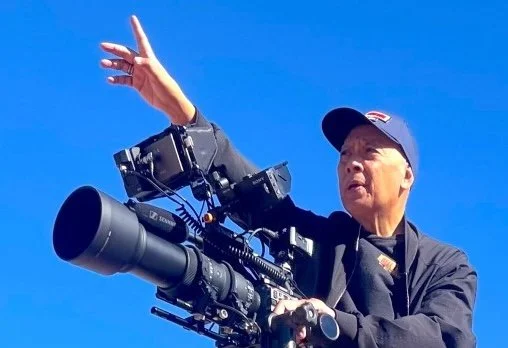
We create premium sports films, athlete spotlights, and brand content using Netflix-approved cinema cameras and high-end cinema lenses — backed by real-world experience across NCAA Division I athletics, Olympic-qualifying competition, and professional film featurettes for Blu-ray releases.
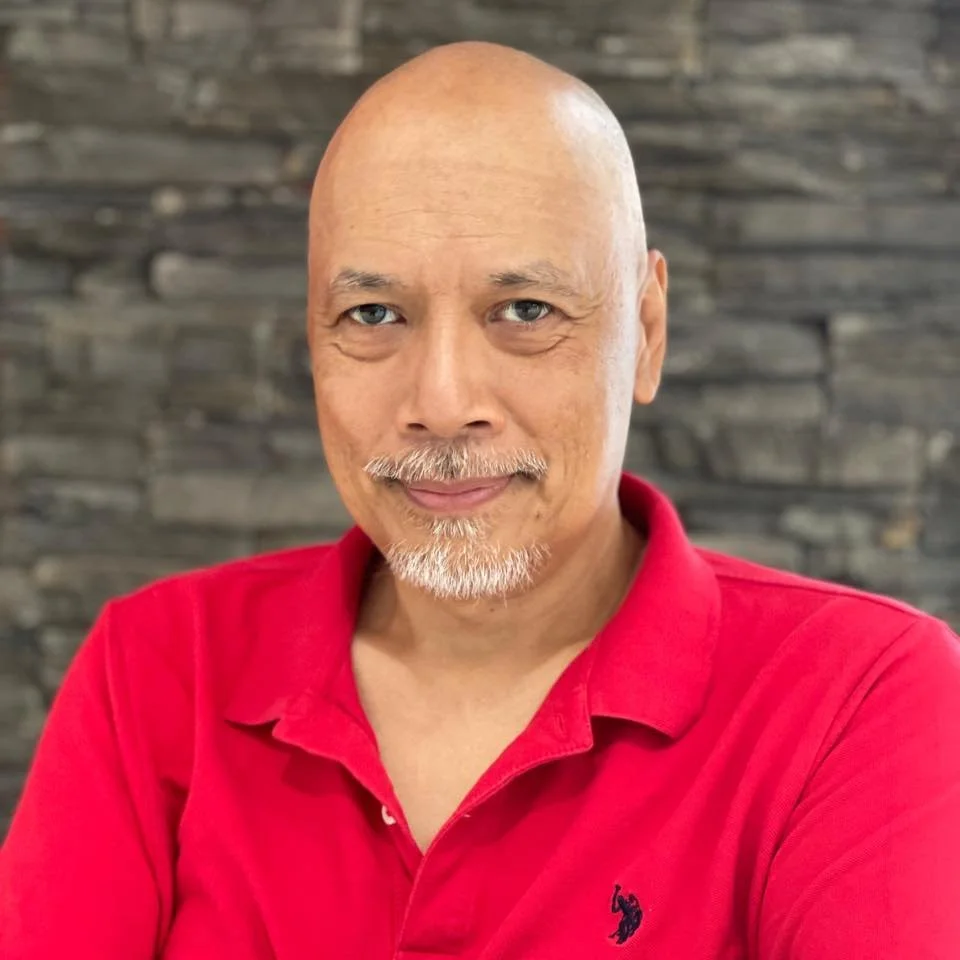
I’m John Kreng, Founder–Filmmaker of Reel Kinetic Media.
I work at the intersection of sports, action, and human performance — creating cinematic films that focus on how competition actually feels, not just what it looks like.
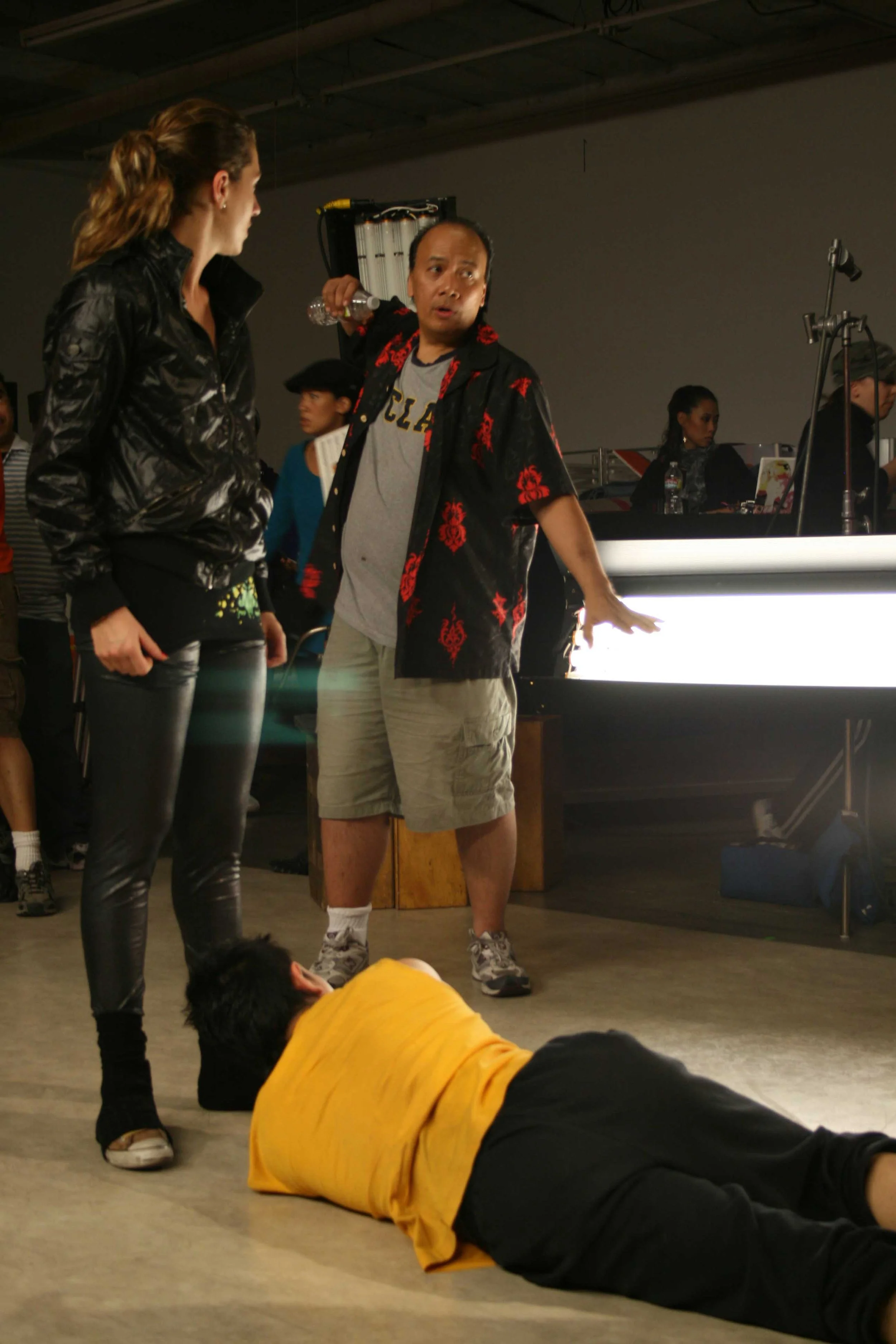
My background spans over 25 years in film, including work as a stunt coordinator and second unit director, where precision, safety, timing, and trust aren’t optional — they’re the foundation. Since 2005, I’ve also field-produced and directed featurettes for motion pictures, collaborating closely with filmmakers, talent, studios, and boutique distributors to tell focused stories within real-world constraints.
I’m also a lifelong martial artist. I’ve competed at a national level and trained directly under several national and world champions. That experience sharpened my ability to read movement, rhythm, timing, and intent under pressure — instincts that carry directly into how I operate behind the camera, especially in live competitive environments where trust matters.
I also spent 14 years as a professional stand-up comedian.
During that time, I made three national television appearances and spent a decade working regularly at The Comedy Store in Los Angeles. But the value of that experience wasn’t visibility or prestige — it was pressure.
Night after night, I walked into rooms that were unpredictable, skeptical, and often hostile. Audiences were jaded. Expectations were high. And more than once, I followed performers who had already emptied the room emotionally.
In those moments, there was no reset button.
You had to read the room instantly. Adjust tone, rhythm, and timing in real time. Defuse tension. Regain trust. And guide the energy back in your direction — not by force, but by awareness.
That environment teaches you how to perform when attention is fragile, stakes are real, and failure is public.
Those same instincts carry directly into my work today — whether I’m stepping onto a sideline, into a locker room, or onto a live set where performance, emotion, and trust all converge at once.
Story has always been central to my work. I studied screenwriting through UCLA Extension, was selected as a finalist for an advanced television writing program, have had screenplays optioned, and have contributed as an editor to various publications. That background informs how I shape footage — looking for structure, clarity, and meaning without forcing a narrative that isn’t there.
At Reel Kinetic Media, the goal isn’t volume or coverage. It’s intention. Whether filming an athlete, a team, or an event, I approach each project as a collaboration — respecting the moment, the people in it, and the work it takes to perform at a high level.
If the work on this site resonates, we’ll likely work well together.
Designed for high-stakes decisions. Reliable under pressure. Built to last.
Where Reel Kinetic Media Fits
Most sports organizations already have coverage.
What they often don’t have is a cinematic perspective.
Reel Kinetic Media sits between traditional coverage and full-scale studio production — bringing a filmmaker’s eye to sports and action without disrupting existing workflows.
We don’t replace your in-house team.
We complement them.
Where internal teams focus on volume, speed, and consistency, we focus on emotion, movement, and moments that endure — the shots that live beyond the scoreboard and still resonate years later.
That’s why we’re often brought in for:
Signature moments that define a game, season, or athlete
Athlete-driven stories that show who someone is before and during competition
Brand films and short documentaries rooted in real performance
Projects where feel matters as much as information
Setting up players, context, and circumstances before competition — so live coverage can stay focused on the game
The way we support live coverage is by handling much of the pre-game storytelling and interviews — shooting and editing those pieces with relevant historical or past footage to set context, so announcers can focus on the game itself.
It isn’t about more content.
It’s about content that holds value — because it helps people understand what they’re seeing, not just watch it go by.
NON-VERBAL DIALOGUE
What is Non-Verbal Dialogue?
How I read the story before it’s told
Before I ever picked up a camera, I learned something that’s stayed with me ever since: communication isn’t just verbal.
I was born in the United States, and English became my third language. Growing up, I learned to understand people through movement, timing, and behavior — long before words felt reliable. Silent and near-silent films, classic animation, and later kung fu cinema made that clear to me early on. You didn’t need dialogue to understand what was happening. You could feel it.
I was also heavily influenced by the weekly recaps produced by NFL Films, where ultra slow motion transformed impact and collision into something almost balletic — violent, yes, but also precise, intentional, and controlled. In that slowed time, ordinary movement took on a mythic quality; players appeared to hover, suspend, and fly.
Those films didn’t explain the game — they revealed it. They showed how rhythm, restraint, and timing could change not just what an audience saw, but how they felt about what they were seeing.
That understanding followed me into action cinema, where I spent over 25 years as a stunt coordinator, 2nd Unit Director, and fight choreographer. In that world, story lives in the body.
A pause, a shift in weight, a decision made under pressure — these are non-verbal sentences that tell a story.
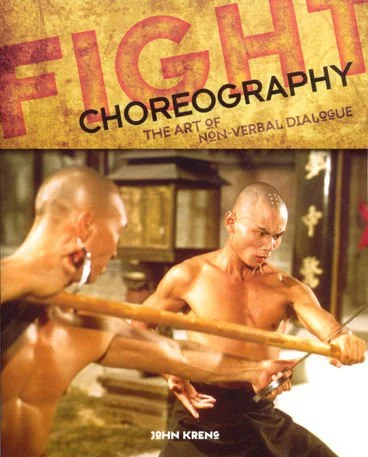
That idea eventually became the foundation of my textbook published by Thomson Course Technologies, Fight Choreography: The Art of Non-Verbal Dialogue.
Sports work the same way.
The stakes can be explained by commentators. The strategy can be broken down by analysts. What the camera does is different.
It shows you the hesitation before the snap. The last-second adjustment at the line. The moment where belief either holds or breaks. Those details are easy to miss — unless you’re trained to look for them.
That’s how I approach every project at Reel Kinetic Media.
I’m not just capturing what happens.
I’m watching for what it costs an athlete or team to step into that moment — physically, emotionally, and mentally.
Because when the pressure is real, the story is already there — you just have to know how to read it.
When Meaning Takes Hold
I’ve learned that sports aren’t defined only by wins, losses, or personal glory.
Teams and athletes don’t always earn loyalty through results.
In sports, belief often outlasts evidence — which is why Dallas Cowboys fans still say “next year we’re going to the Super Bowl,” despite the team not having reached one since 1995.
The behavior doesn’t change when results disappoint — the belief stays intact.
It’s also why, during the Joe Gibbs era with the Washington Redshins (now Commanders), journalists and researchers observed measurable changes in community behavior on game days — including a significant drop in crime across the Washington, D.C. area. For a few hours on game day, people across the city — including lawmakers who fiercely opposed one another on Capitol Hill — all cheered for Washington.
The same dynamic appears outside of football. Serena Williams didn’t just dominate women’s tennis — she changed its center of gravity. Her power, movement, and competitive posture disrupted long-held expectations about how women were supposed to play and carry authority on the court.
As a result, the audience changed — new viewers showed up, and a broader community felt the sport was meant for them too.
These moments don’t come from wins alone.
They’re built through pressure, shared experience, and moments where individual personalities rise above opposition and expectation — and stay with people long after the game ends.
Because the audience witnessed it unfold, the investment becomes personal — extending beyond the moment, the season, and even the result itself.
That perspective informs how I approach every project — from planning through final cut.
See It in Practice
See how this way of reading a moment takes shape in a short film I shot and edited.
The Power of Non-Verbal Storytelling →