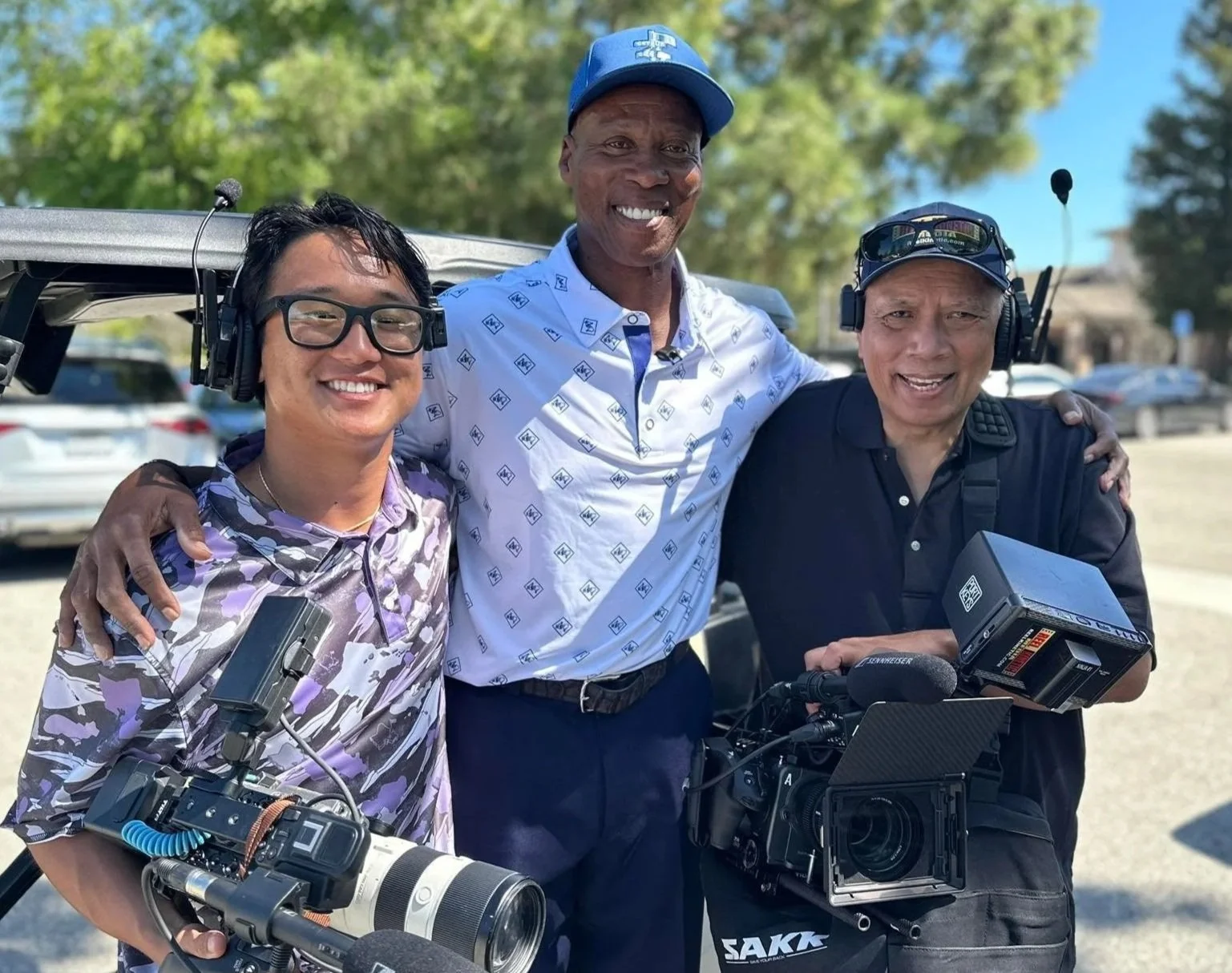

About John Kreng and the birth of Reel Kinetic Films
The story behind the work — and the perspective behind Reel Kinetic Media
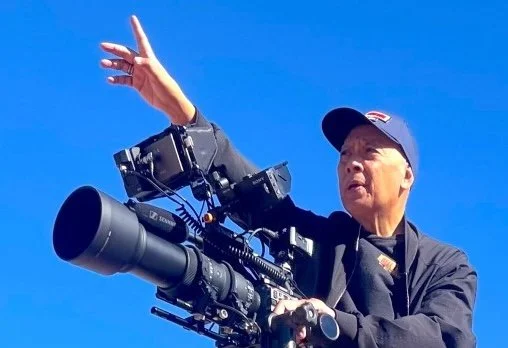
Reel Kinetic Films is built around a simple belief:
Movement carries meaning — and certain moments deserve to be felt, not just recorded.
With more than 25 years in the trenches of the Hollywood film industry, John Kreng, Founder of Reel Kinetic Films, brings the judgment of a producer, the storytelling eye of a director, the rhythm of an editor, the structure of a writer, and the timing of a stunt coordinator to Reel Kinetic Media’s sports and action work.
That perspective is shaped by John’s experience across martial arts, stand-up comedy, stunt coordination, action filmmaking, video game production and design, writing, documentary interviews, Blu-ray special features, video editing, and sports cinematography.
With more than 100 IMDb credits, John’s work spans stunt performance, stunt coordination, action design, documentaries, special features, sports filmmaking, and cinematic brand storytelling.
For John, sports is never just about the final score.
It is about preparation, timing, reaction, sacrifice, urgency, consequence, and the human moments that reveal themselves when everything is on the line.
John Kreng did not arrive at sports filmmaking by accident.
Reel Kinetic Films is not a sudden pivot, a trend, or a content lane built to follow the market.
It is the natural result of a life spent studying movement, timing, performance, story, audience reaction, and the moments people reveal who they are without saying a word.
To understand Reel Kinetic Films, you have to understand the path that shaped John Kreng’s eye and creative instincts — long before he ever pointed a camera at a field, court, ring, or arena.
Learning How to See
Long before Reel Kinetic Films, John was already learning how to see.
As a kid, he studied images before he fully understood why they held his attention — movie posters, comic books, sports photos, magazine covers, newspaper clippings, and faces frozen in the middle of action.
A good image could stop him cold.
It could suggest an entire story in one frame.
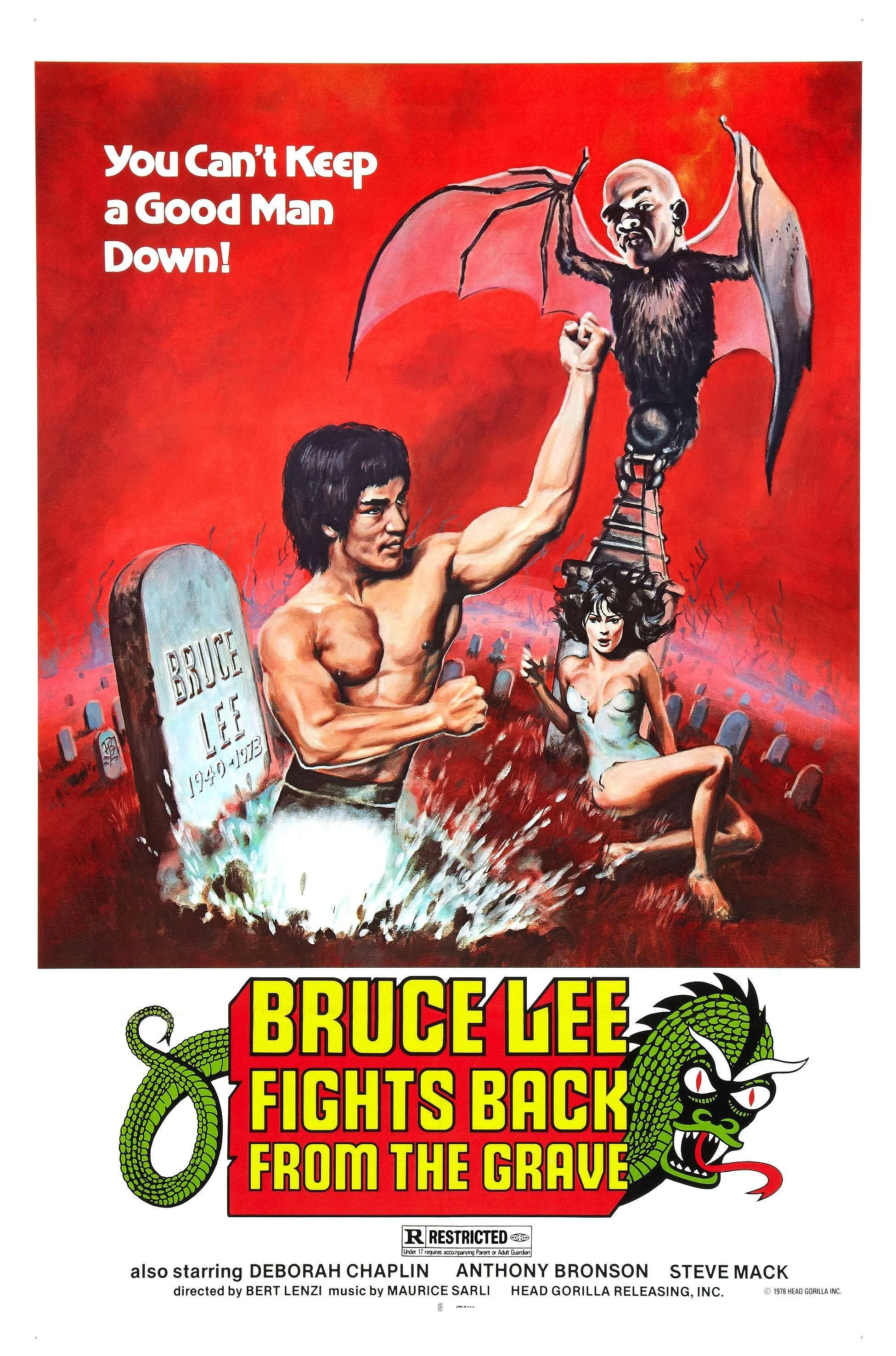
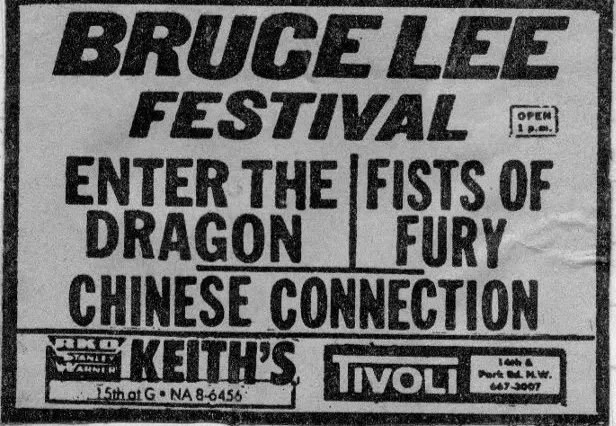
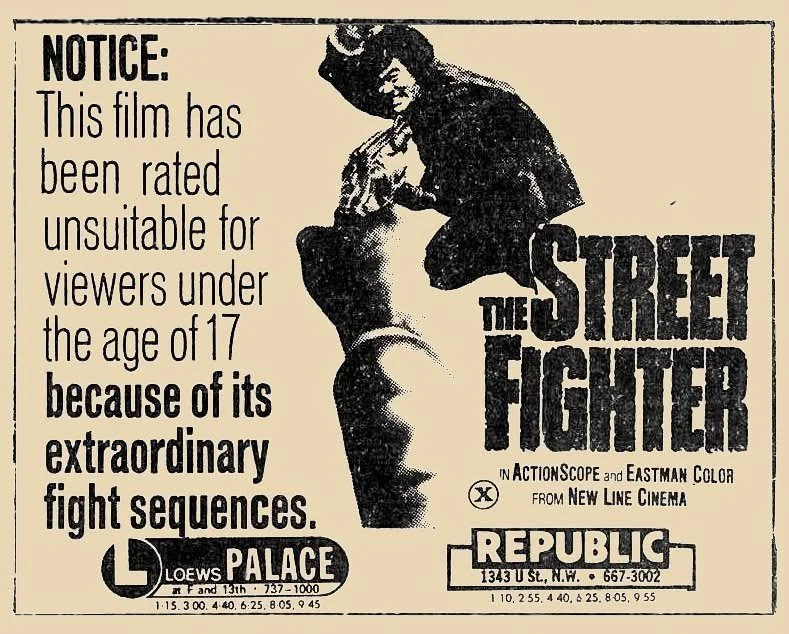
That love of images eventually led him to grindhouse theaters, kung fu movies, sensationalized movie posters, exploitation films, and the kind of filmmaking that did not wait politely to be noticed.
Those films were raw, physical, colorful, and direct. They sold danger, attitude, motion, pain, revenge, triumph, and myth in a single image or a single trailer line.
They taught John that cinema could be elegant, but it also had to hit — visually, emotionally, and physically.
The Theater Was the First Classroom
What stayed with John most was not only what happened on the screen.
It was what happened in the theater.
Growing up, John saw Enter the Dragon around 60 times in theaters — and he was keeping count. His junior high visual arts teacher, amazed that he was watching movies in theaters every weekend, encouraged him to keep a film diary with notes on what he saw and how he reacted to it.
What started as a moviegoing habit became a way of studying cinema: movement, screen presence, audience reaction, rhythm, impact, and why certain moments still landed even when he knew they were coming.
Each screening could feel different.
A new crowd could shift the rhythm of the room — laughing harder, falling quiet because they were not buying it, yelling at the screen because something was too outrageous to believe, or erupting because a moment was too powerful to ignore.
Yet certain moments kept landing almost the same way, no matter who was watching.
That fascinated John.
A filmmaker could create something from imagination, craft, rhythm, image, sound, and performance — and make different rooms full of strangers feel something together.
That discovery still affects everything he does.
Martial Arts Became the Foundation
Martial arts gave that instinct discipline.
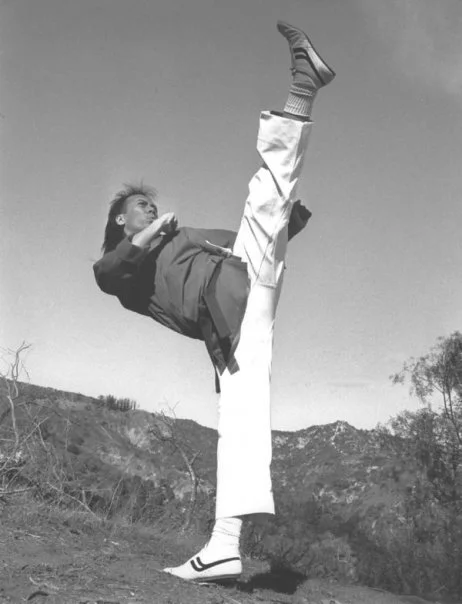
John earned black belts in Tang Soo Do and Japanese Jujitsu, with his work eventually featured in Black Belt and Martial Arts Training magazines, along with a cover appearance for Inside Karate.
But the deeper value of martial arts was not only the rank, recognition, or physical technique. It was the way it trained him to break the impossible into smaller achievable goals, repeated with focus until the impossible started becoming reachable.
It also taught him how to read the body.
Stances are not just positions. They reveal intention.
A defensive stance responds to threat. An aggressive stance enters it. A centered stance can move either way.
Just as important, martial arts taught John to stay relaxed in tense situations. Tension slows reaction. Relaxation creates speed, clarity, and natural response.
That lesson carries directly into live sports filmmaking, where the moment is moving fast, the stakes are real, and the camera has to respond without hesitation.
Martial arts taught him discipline, goal setting, movement, timing, distance, impact, and body language.
It became the foundation for everything that followed.
Art Gave the Instinct a Frame
Art entered John’s life through necessity.
After being injured during a martial arts competition, he needed a way to keep moving forward while he healed — a way to make money, stay creative, and express himself when his body could not do what it normally did.
Art became that outlet.
It gave him another language for movement: composition, shape, contrast, negative space, and the way an image can guide the eye.
John later studied at Parsons School of Design in New York, where the education extended beyond technique into process, presentation, image-making, and cultural impact. Seminars with artists and designers such as Andy Warhol, Calvin Klein, George Stavrinos, Antonio Lopez, and Mats Gustafson exposed him to how creative professionals thought about style, identity, audience, and the way work is positioned in the world.
Warhol’s lesson stayed with him in a different way:
Presentation and attention matter.
The work has to be strong, but people also have to notice it, understand it, talk about it, and remember it.
Graphic design taught him composition, color, visual structure, and the importance of presentation and hype.
That idea still connects directly to Reel Kinetic Media. A great sports moment may happen once, but how it is shaped, presented, and released can determine whether it disappears — or becomes part of a team’s identity, an athlete’s story, or an event’s momentum.
Comedy Taught Immediate Response
Comedy came from another need: the need to say what he was thinking and feeling out loud.
Stand-up gave John something graphic art could not give him at that moment — immediate response.
The audience either laughed, leaned in, pulled back, or went cold. There was no delay, no hiding place, and no filter between the idea and the reaction.
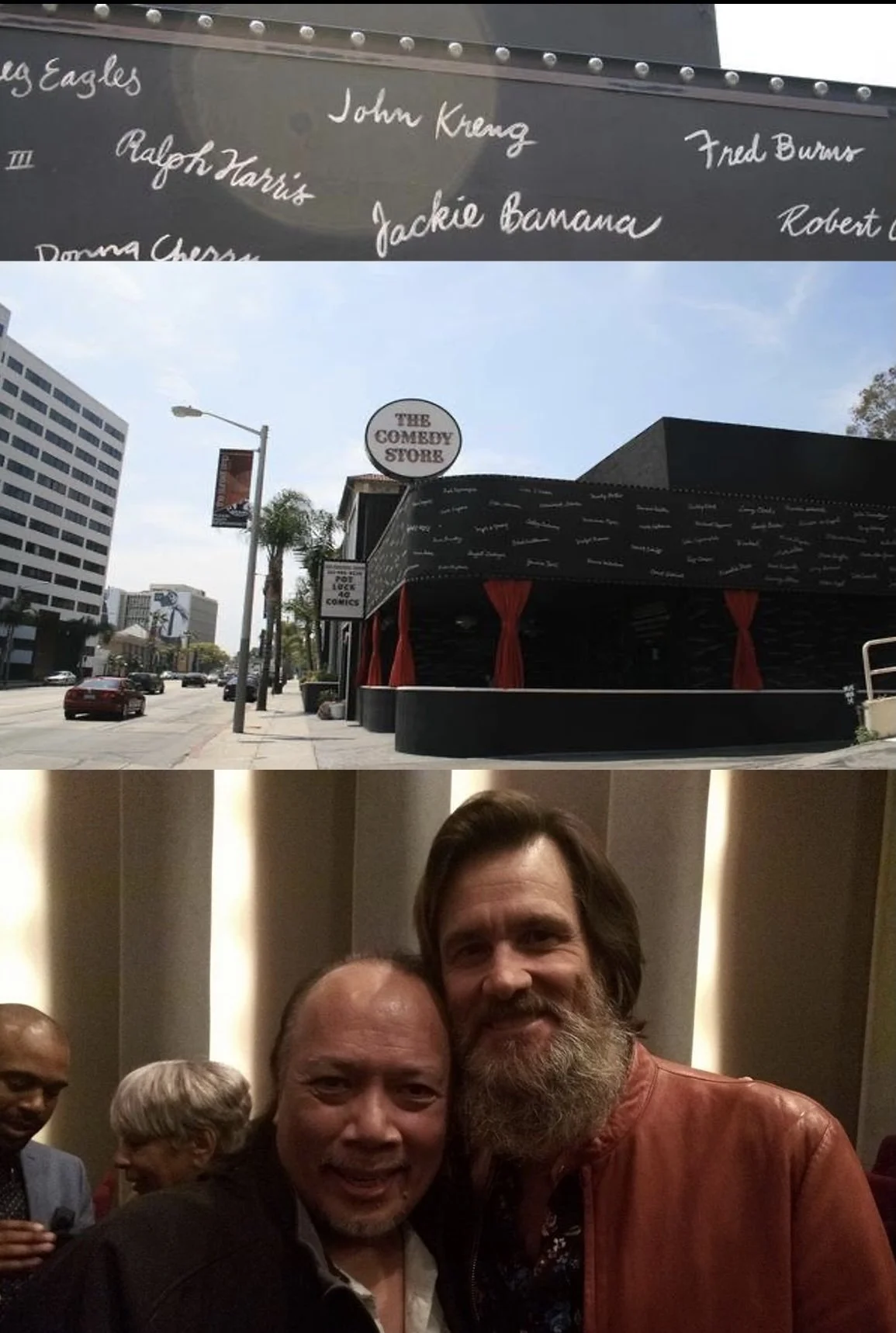
For nearly ten years, John performed at The Comedy Store in Hollywood, La Jolla, Westwood, and Las Vegas, with three national television appearances along the way. It was a brutal training ground.
On any given night, the lineup could include legends like Robin Williams, Sam Kinison, Jim Carrey, Andrew “Dice” Clay, Richard Pryor, Damon Wayans, Eddie Murphy, Chris Rock, Louie Anderson, and others who could take over a room the second they touched the microphone.
The audience came in skeptical, charged by the reputation of the club itself:
What do you have that I have not seen before?
Stand-up forced John to grow in real time. As a comedian, he was his own writer, director, actor, editor, and producer. He had to read the room, adjust under pressure, recover when something missed, and know the difference between noise and connection.
When it worked, it felt like riding a perfect wave with the audience.
When it did not, it felt like being trapped in the middle of a hurricane with no shelter.
That training matters to Reel Kinetic Media because live sports are also unforgiving.
You do not get a second take when the moment happens. John has to read the room, feel the shift, adjust quickly, and understand what will land with the audience later.
Comedy taught John that attention is earned moment by moment — and that the real job is not just to capture activity, but to create connection.
Writing Gave the Story Structure
Writing became the next expansion.
As comedians around him began getting development deals for movies and sitcoms, John saw a path beyond performing every night. Screenwriting offered a way to keep making people laugh, think, and feel — but on a larger scale, with stories that could reach audiences far beyond the room he was standing in.
John studied screenwriting and story structure, developing the craft of building character, conflict, escalation, payoff, and emotional consequence on the page. Two of his screenplays were later optioned by a major studio, but the real value was how writing trained him to see the architecture beneath a moment — what sets it up, what turns it, what releases it, and why it stays with the audience.
That writing foundation became part of how John looks at everything he shoots.
A sports moment is not just a highlight.
It has setup. It has tension. It has stakes. It has release. It has aftermath.
John often sees sports through the lens of the Hero’s Journey — the ancient pattern of challenge, struggle, transformation, and return.
That is why competition can hit people so deeply. Whether it is a myth, a movie, a fight, a game, or a single moment under pressure, audiences understand what it means to face something, be tested, and come back changed.
Video Games Taught Systems, Testing, and Subculture
Video games added another layer because they combined several parts of John’s background at once.
As a martial artist, he understood how proper technique, movement, impact, and body mechanics should look. As a screenwriter, he understood how ideas could branch into nonlinear stories, player choices, and multiple outcomes. As a comedian, he understood humor as release — a way to break tension, reset the audience, and make pressure more enjoyable.
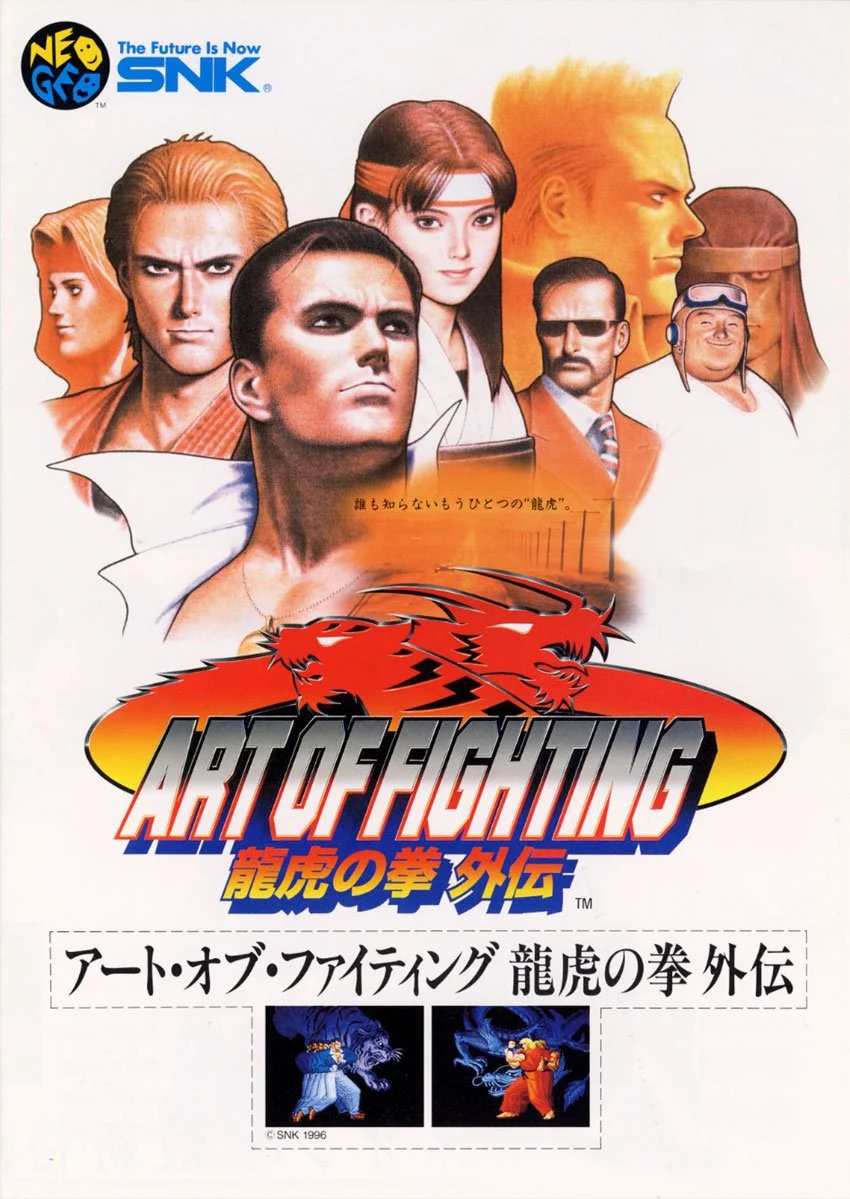
That combination helped him work as a producer and designer in the video game industry, including projects connected to companies such as Sony, THQ, Mattel, and SNK.
But video games also taught him something that still shapes Reel Kinetic Films:
systems, testing, R&D, and audience participation.
In game development, new technology, software, and workflows could not simply be trusted because they looked promising.
They had to be tested.
A tester’s job was to crash the game — to reveal the cracks in the structure before the audience ever experienced it.
Once those cracks appeared, the team had to solve the problem and test again. Sometimes fixing one issue created another.
The final experience still had to work, because the audience did not care about the problems behind the scenes. They cared about the experience they were promised. They wanted it to work. They wanted to be pulled in. They wanted to be wowed.
That same discipline applies to Reel Kinetic Media.
Modern mirrorless cameras and production tools have made high-quality image capture more accessible than ever, but access to powerful gear does not automatically create a reliable production system.
Cameras, lenses, external monitors, audio gear, accessories, software, workflows, and production ideas still have to be tested, integrated, stress-tested, and understood before they are trusted in the field.
At Reel Kinetic Films, new gear and production ideas are tested in varied real-world conditions before they are brought into client work. Whenever possible, we simulate the kind of environment the project may demand — the location, movement, weather, access, pace, and pressure of the actual playing field.
The goal is simple:
Discover the problems before they become client problems.
Does the tool fit the existing workflow?
Does it add time or save time?
Does it communicate with the systems already in play?
Does the workflow need to change?
Is the idea better saved for a future project?
Does this camera rig work for the upcoming event location, weather, and environment?
That is why R&D at Reel Kinetic Films is not gear play.
It is how problems get discovered before they become client problems.
One example is Titan, Reel Kinetic Film’s long-lens sports and action camera system. Titan was not built as a piece of equipment to show off. It was developed through testing, field use, workflow problem-solving, and the need to capture live action from distance with cinematic clarity, stability, and intention.
Video games also taught John that the experience does not end when the product is released.
When a game connects, players do more than consume it. They replay it, quote it, compete through it, debate it, share it, and form communities around it.
They also project themselves into the characters, the world, and the experience. Over time, that connection can become a subculture — with its own language, rituals, rivalries, inside jokes, heroes, and shared identity.
That idea matters deeply to modern sports media.
A game, tournament, athlete, or team does not live only in the moment it happens. It lives afterward through clips, reactions, conversations, rivalries, inside jokes, shared pride, and the feeling that people were part of something together.
You see it when fans wear jerseys, collect cards, hang posters, chase memorabilia, buy signature shoes, and build pieces of their own identity around the athletes, teams, and moments that moved them.
That is why sports media matters. It does not only preserve the event. It helps extend the emotional life of the moment.
That shaped how John thinks about Reel Kinetic Media.
The strongest work does more than document an event.
It gives people something to follow, share, argue about, remember, and feel connected to.
For the client, the benefit is simple:
When Reel Kinetic Films shows up to capture a team, athlete, event, or brand story, the testing has already happened. The client should not have to carry the uncertainty of the process.
That work happens before the shoot, so the final piece can deliver the experience they were promised — with the craft, preparation, and reliability needed to make the moment feel powerful on screen and meaningful after it is over.

Stunts Turned Action Into Story
Stunts brought John back to the thing that had been burned into him since childhood:
Hong Kong action cinema.
His early stunt work put him close to major productions and filmmakers, including work with Jet Li, Tsui Hark, Brandy Yuen, and Spielberg’s Hook.
Those experiences gave him a firsthand look at how action, performance, camera placement, timing, and physical risk came together on set.
That pull became even stronger through John’s magazine work.
In conducting in-depth interviews with Jackie Chan, Sammo Hung, and Yuen Woo-Ping — artists whose films had shaped him for years — he was able to hear from them directly, and sometimes watch on set, as they discussed their creative process in putting together action sequences.
Those conversations pushed something in him from admiration into commitment.
From there, John’s path expanded into stunt coordination and action design, with credits across film, television, commercials, and digital media, including work connected to Yuen Cheung-Yan, Don “The Dragon” Wilson, Roger Corman, Jonathan Banks, Cracked, Subaru, DumbDumb, the Los Angeles Times, CollegeHumor, Telemundo, FX Channel, Spike TV, and others.
On stunt sets, John brought with him the belief that action does not work simply because it looks cool.
It works when the audience understands the danger, sees the intention, feels the impact, and is subtly directed where to look.
To John, a well-designed fight scene has structure. It has a reason to start, a conflict that escalates, and an ending where something is won, lost, survived, or changed.
An action sequence is not filler.
It is a mini-scene within the scene, built to reveal character, raise stakes, and move the story forward.
From his Hong Kong filmmaker influences, John learned to think about the edit while the action was still being shot.
How will this moment cut together?
Where does the audience need to be emotionally?
What information should be revealed now?
What should be held back?
The rhythm of the edit has to keep the audience engaged, surprised, and emotionally connected. If every moment moves with the same pace and intensity, the audience can be lulled to sleep.
Every hit, reaction, pause, and shift in momentum has to serve the story.
That same thinking now shapes how John approaches live sports.
The camera is not just chasing movement.
It is reading structure in real time — setup, tension, adjustment, release, and aftermath — so the final piece feels alive, intentional, and emotionally clear.
From his experience in the trenches of Hollywood and Hong Kong action filmmaking, John went on to write Fight Choreography: The Art of Non-Verbal Dialogue, a textbook published by Thomson Course Technology and used as required reading at several film schools and universities.
Film History Taught Respect for the Work
That deep knowledge of martial arts cinema eventually opened another door: documentary interviews, Blu-ray special features, editing, published writing, and film-history commentary.
That work grew out of a lifetime spent studying action films, kung fu movies, fight scenes, performers, directors, and the physical language of screen combat.
It also grew out of trust.
Through martial arts, magazine writing, stunt work, and years of building relationships in the action-film community, John was not coming in as an outsider looking for a quick quote or an easy soundbite.
People knew his love for the genre, understood his respect for the work, and trusted that his intent was never malicious.
Over time, that reputation spread by word of mouth to others who had never met him.
Before an interview, John would study the person’s work, research their career, and take extensive notes — not to ask surface-level questions about what was popular or cool, but to understand what shaped them.
What brought them to this path?
Why did they choose a harder creative life when an easier route may have been available?
What was their process?
What did the work cost them?
What would they do differently if they had the chance?
For John, the interview was never just a conversation.
It was an act of respect.
He worked to create a safe space between the subject, the crew, and the camera — a place where the person could talk about their life’s work with honesty, depth, and dignity.
That approach taught him how to find the person behind the performance: the story beneath the action, the choice behind the movement, and the reason a moment can matter long after it is over.
Sports Brought Everything Together
Eventually, all of those paths started pointing in the same direction.
Sports had everything John had spent his life studying.
Movement. Timing. Fear. Confidence. Pain. Recovery. Momentum. Joy. Silence. Impact. Tenacity. Courage under fire.
And the small human moments that explain the big ones.
A batter walking back to the dugout after striking out, caught between his own expectations and the reality of what just happened — while the pitcher on the mound stands cocksure, wearing the grin of someone who knows he got the best of him.
A fighter stumbling back to his corner between rounds, face and body beaten and bruised. His body says, “Enough.” But his eyes still carry the fire and hunger to beat his opponent and survive another round.
A coach holding back emotion because the team is watching.
A player trying to look calm when the stakes are written all over their body.
A crowd shifting before the moment arrives.
These are not just details.
They are story.
Many Hats. One Point of View.
In many of the worlds John came from, wearing multiple hats was not unusual.
It was the job.
In stand-up comedy, he had to be the writer, editor, director, performer, and businessman. Onstage, that meant shaping the material, testing it in front of a live audience, adjusting in real time, and learning what actually connected.
Offstage, it meant booking gigs, negotiating with club owners, and understanding that talent alone does not move a career forward.
In stunt coordinating, he was responsible for an entire department. That meant designing action, planning movement safely, working with directors and producers, managing people, solving problems under pressure, and staying accountable to the stunt budget.
Martial arts taught him discipline, goal setting, movement, timing, distance, impact, and body language.
Graphic design taught him composition, color, visual structure, and the importance of presentation and hype.
Screenwriting taught him how to build stories that make people believe in a world that does not exist yet.
As a writer, producer, director, and editor on film projects and special features, John learned how a story is shaped from the inside out — from the idea, to the interview, to the shoot, to the edit, to the final emotional rhythm of the piece.
He also learned that the best interviews are built on trust — creating enough safety for people to share something honest, vulnerable, or unexpected on camera.
That is the creative through-line behind Reel Kinetic Films:
One experienced point of view carrying the project from capture to final delivery — with the ability to think like a filmmaker, producer, editor, storyteller, and problem-solver at the same time.
When the project calls for collaboration, additional crew and specialists can be brought in without losing that central creative direction.
Why Reel Kinetic Films Exists
Reel Kinetic Films was built to capture real moments with more than coverage.
It was built to become known for a specific kind of work:
cinematic sports and action-driven storytelling that makes movement, stakes, and emotion impossible to ignore.
Reel Kinetic Films brings the instincts of action cinema, the discipline of martial arts, the eye of visual design, the timing of live performance, the structure of screenwriting and documentary storytelling, the systems thinking of video games, and the precision of editing into live sports and action production.
The goal is not simply to make sports look cinematic.
The goal is to make the audience feel why the moment mattered.
For teams, athletes, brands, events, and programs, that difference matters.
A game, match, tournament, showcase, or season is no longer just something that happens once and disappears.
It can become identity.
It can become momentum.
It can become proof.
It can become a recruiting tool, a sponsor asset, a rallying point, or the reason someone cares enough to follow, attend, support, invest, or come back.
That is why Reel Kinetic Films exists.
Because the game is never just the game.
It is movement, character, emotion, consequence, and story — if you know how to see it.