TTHE REEL KINETIC APPROACH
Reel Kinetic Films turns sports and action into cinematic stories — reading movement, pressure, emotion, and character to help audiences feel why the moment mattered.
Behind every result are people carrying expectations, sacrifice, ambition, responsibility, and pressure.
When those forces collide in competition, character comes to the surface.
We look beyond the scoreboard to find the people, decisions, pressures, and consequences that gave the outcome meaning.
Because the final score tells people who won.
The story explains why anyone cared.
Competition reveals character.
Character builds trust.
Trust creates connection.
Connection creates emotional and financial investment.
That is the foundation of the Reel Kinetic approach.
PLAN. CAPTURE. SHAPE.
A strong finished piece does not begin when the camera starts recording.
It begins with understanding what the project needs to accomplish.
PLAN.
We identify the audience, purpose, key moments, access, environment, and production challenges before the event begins.
For the client, that means the shoot is built around a goal — not just around collecting footage.
CAPTURE.
Live action does not wait for the camera.
Preparation, positioning, anticipation, and experience help us capture the moments that cannot be repeated.
For the client, that means fewer missed opportunities and stronger footage of the moments that matter most.
SHAPE.
The footage is then edited with pacing, sound, music, color, structure, and emotion in mind.
For the client, that means the final piece does more than document what happened.
It becomes a story designed to help audiences understand, remember, and connect with the athlete, team, event, or brand.
Plan with purpose.
Capture what matters.
Shape it into something people remember.
REAL EVENTS. NO RESET BUTTON.
Your most valuable moments may only happen once.
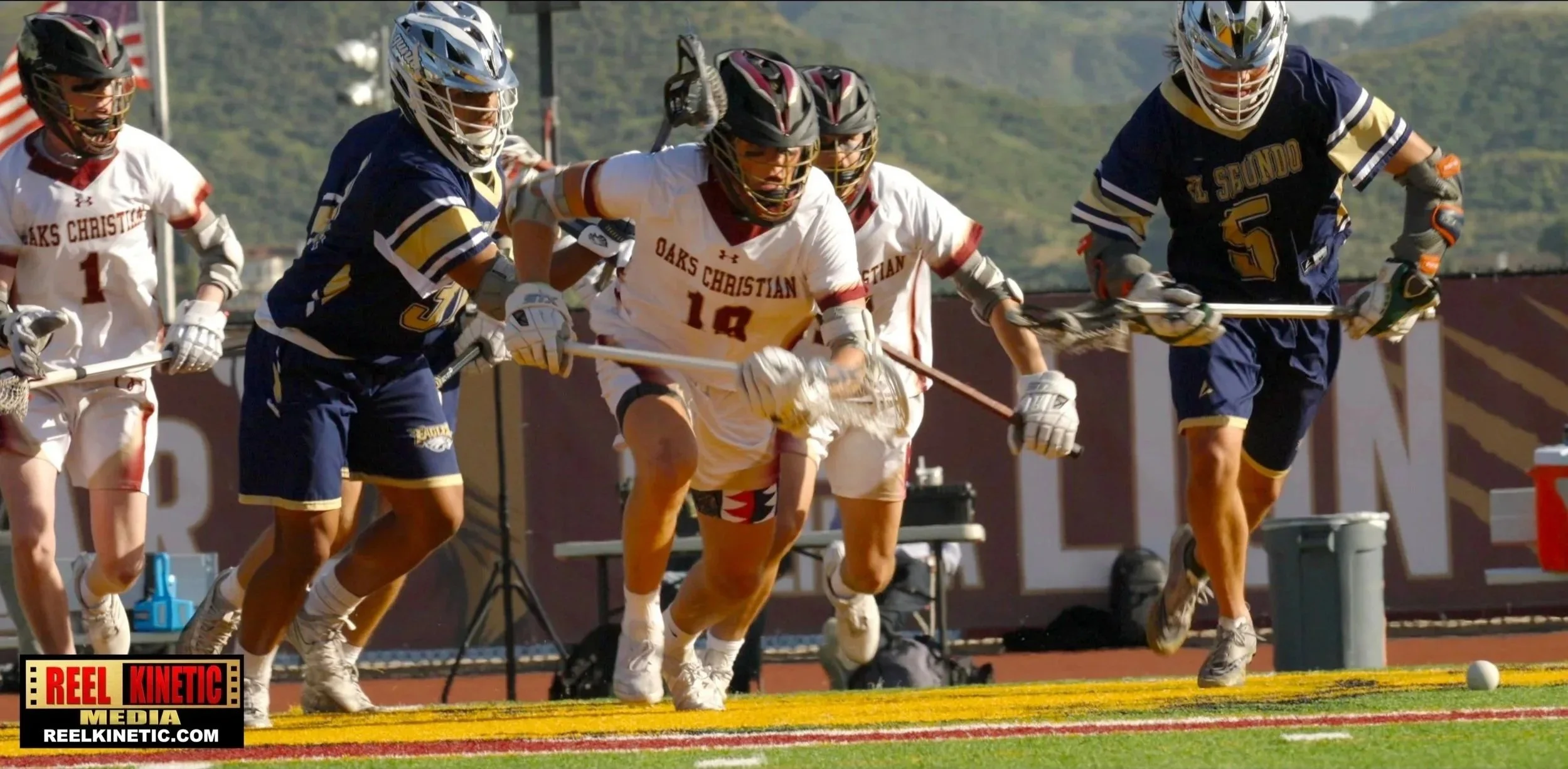
A winning play, a decisive strike, a breakthrough performance, or an emotional reaction cannot always be recreated for the camera.
If the production team is in the wrong position, reacts too late, or relies only on flat, wide coverage, the moment may be recorded — but its impact can still be lost.
Reel Kinetic Films helps protect the value of those moments by planning for live action and capturing it cinematically.
We use preparation, camera placement, lens choice, timing, anticipation, movement, and multiple perspectives to get closer to the emotion and energy of the event — while still preserving the action clearly enough for the audience to understand what happened.
The goal is not simply to prove the moment occurred.
It is to help your audience feel what it was like to be there.
You may only get one chance at the moment.
We capture the moments you cannot recreate — and give them the cinematic impact they deserve.
WHAT CINEMATIC MEANS AT REEL KINETIC
Your audience sees a lot of sports content.
The challenge is not simply producing another video.
It is creating something that feels different enough to stop attention, clear enough to understand, and strong enough to remember.
That is where cinematic storytelling matters.
At Reel Kinetic Films, cinematic does not mean adding slow motion, dramatic music, shallow depth of field, stylized color, or polished editing just to make something look impressive.
Those tools matter when they help your audience feel more of the moment.
We use camera placement, movement, lens choice, pacing, sound, editing, interviews, color, and post-production to give your athlete, team, event, or brand more presence and emotional weight.
Instead of simply showing what happened, we help shape the experience so your audience understands what mattered, who it mattered to, and why they should care.
That can help your content feel less like interchangeable coverage and more like something your audience associates specifically with you.
Cinematic style gets attention.
Cinematic storytelling turns moments into emotional experiences that strengthen fan connection and attract a wider audience.
SLOW MOTION WITH PURPOSE
Slow motion is not used simply because it looks dramatic.
At Reel Kinetic Films, it is used to reveal what the eye can miss at full speed — timing, control, effort, emotion, and the finer details inside movement.
That gives your audience more time to understand the skill behind the performance and feel the importance of the moment.
For your athlete, team, event, or brand, that means the audience sees more than what happened.
They see what it took.
And when people better understand the skill, effort, and emotion behind a performance, the moment becomes more memorable — and more valuable to the people and organizations it represents.
THE POWER OF NON-VERBAL STORYTELLING
Turning moments into meaning
Before anyone speaks, the body is already telling the story.
A fighter backing away.
A player celebrating.
A coach holding tension.
An opponent absorbing the result.
Movement, posture, timing, and reaction can reveal pressure, confidence, resilience, disappointment, and emotion without a word being spoken.
Reel Kinetic Films looks for those moments because they help audiences understand the people behind the performance.
That creates something a highlight alone often cannot:
connection.
When audiences recognize what an athlete is feeling, struggling with, or fighting for, they have a stronger reason to care about the athlete, the team, the event, and the brand connected to that moment.
Action gets attention.
Humanity creates connection.
For a deeper example, read the Field Notes breakdown of A Dude and His Dog and how editing can create emotional meaning without a single spoken word.
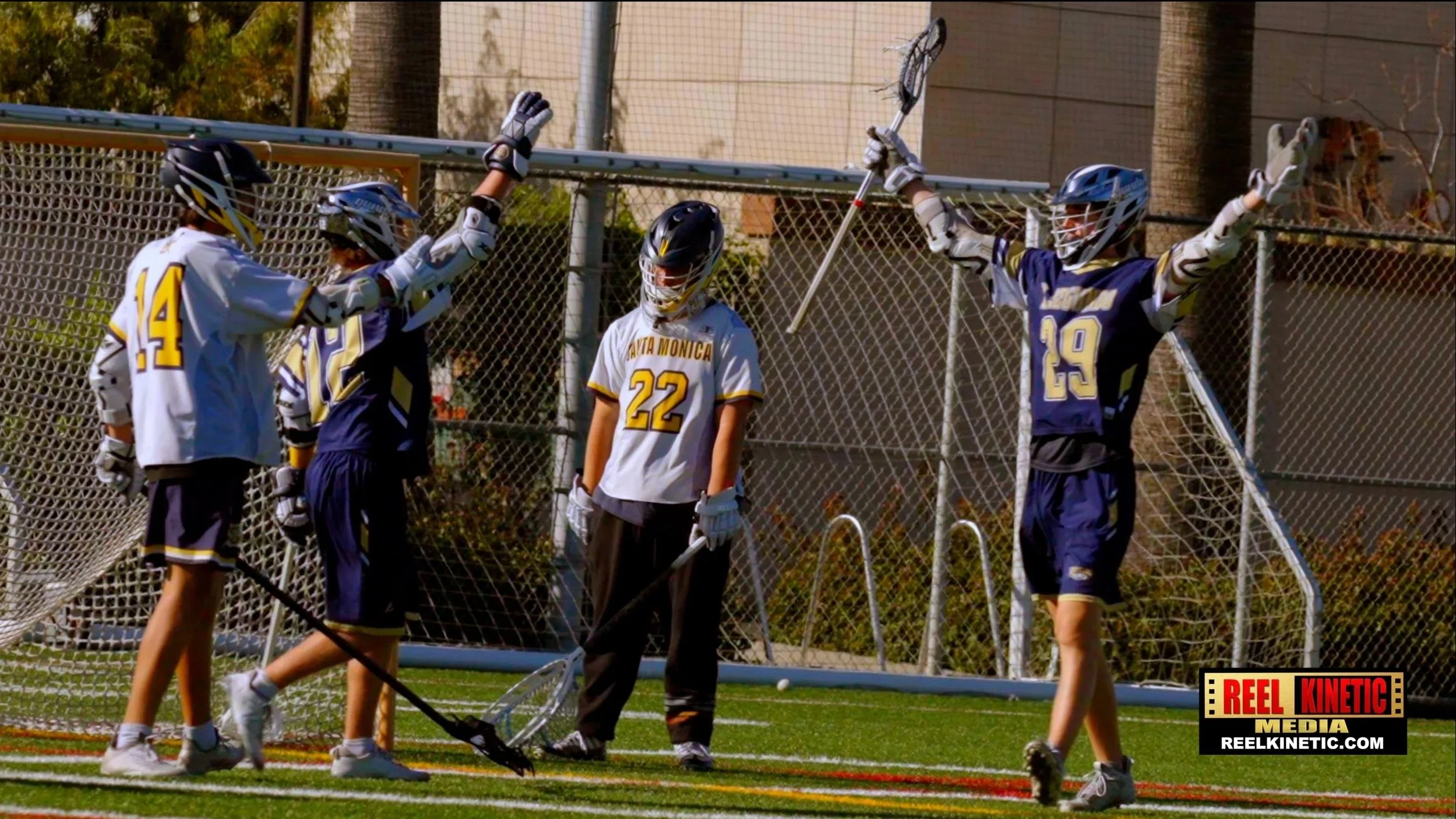
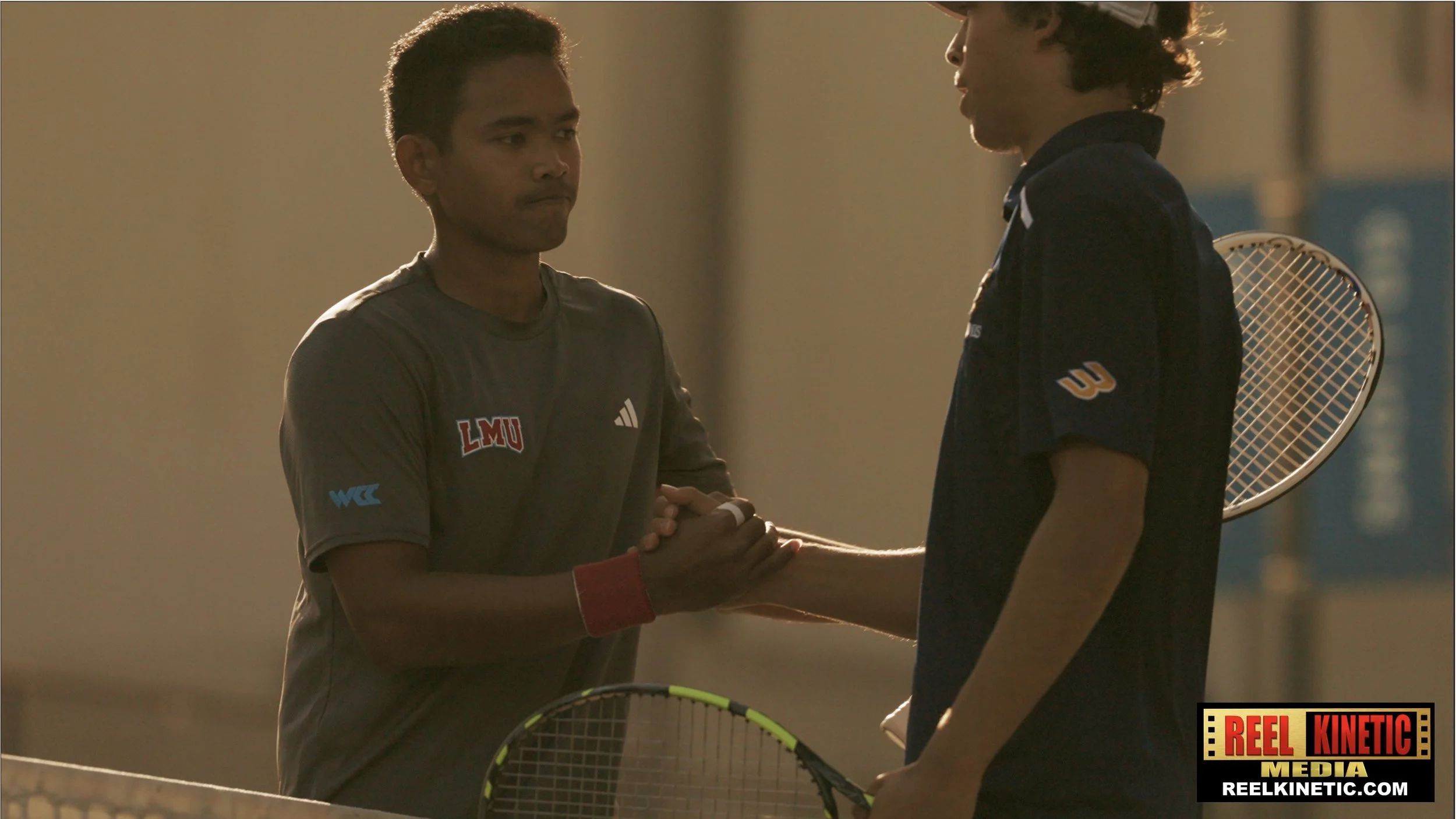
One body says victory. Another absorbs the loss.
Movement becomes language when emotion can be understood without a word.
Love may be a universal language — but so is action.
BUILT FOR THE FEED.
DESIGNED TO LAST BEYOND IT.
Your content has to work in fast-moving feeds, but it should not be designed to disappear with the next trend.
Reel Kinetic Films builds the cinematic story first, then adapts that story for the platforms where your audience already lives.
Short-form cutdowns.
Vertical edits.
Captions.
Hooks.
Crops.
Thumbnails.
Alternate versions.
That gives your athlete, team, event, or brand more usable content from a single production — without sacrificing the identity or emotional core of the original piece.
We respect the platform. We do not let the platform dictate the story.
The goal is not simply to earn a view.
It is to create something people remember after the scroll stops.
SIGNATURE TECHNIQUES
Sometimes slow motion isn’t enough.
Fast, complex movement can still be difficult for an audience to fully understand — even when the footage is slowed down.
A strike, throw, swing, cut, collision, or sudden change of direction can contain layers of timing, trajectory, force, and technique that disappear in an instant.
Reel Kinetic Films develops signature visual techniques designed to reveal what conventional footage may leave hidden.
Prime Motion™ helps audiences see the structure and progression of movement.
Velocity Trail™ helps reveal its path, direction, and force.
These techniques are used discretionally — not on every play, and not simply because they look different.
They are used when calling attention to a specific moment can help elevate an athlete, event, team, sponsor, or brand.
For the client, that means certain moments can be given greater visual emphasis when the story or marketing objective calls for it.
When audiences can clearly see what makes a movement exceptional, they can better appreciate the athlete performing it and the organization or brand connected to that moment.
These are not effects for spectacle.
They are selective storytelling tools designed to make important moments more understandable, distinctive, and memorable.
That gets much closer to the commercial value: selective emphasis, not gimmickry.
Explore Signature Techniques→
Same movement. Two different visual tools.
Prime Motion shows the structure of the action before it unfolds.
Velocity Trail shows the path and force left behind after it moves.
INSPIRE ↑ ELEVATE
Your audience can watch an incredible performance and still forget it minutes later.
What tends to last is what the moment represents — the discipline behind it, the pressure surrounding it, the sacrifice required to reach it, and the human response when everything is on the line.
Reel Kinetic Films looks for those qualities because they give audiences something deeper to connect with than the result alone.
When viewers recognize determination, resilience, struggle, joy, disappointment, or belief in an athlete, they are more likely to become emotionally invested in the person, team, event, or brand connected to that story.
That is the purpose behind INSPIRE ↑ ELEVATE.
We do not manufacture inspiration.
We identify the truth already present in the performance and shape it into a story audiences can understand and feel.
For our clients, that means creating content that does more than entertain.
INSPIRE ↑ ELEVATE helps turn spectators into supporters, athletes into people audiences care about, and memorable moments into lasting connection.