
CASE STUDIES
The work doesn’t end when the camera stops rolling.
The real question is what happens next.
Do more people show up?
Do athletes feel seen?
Does a community become more engaged?
These case studies explore the challenges, approach, and outcomes behind a selection of Reel Kinetic Media projects.
Helping a Program Earn Attention and Respect
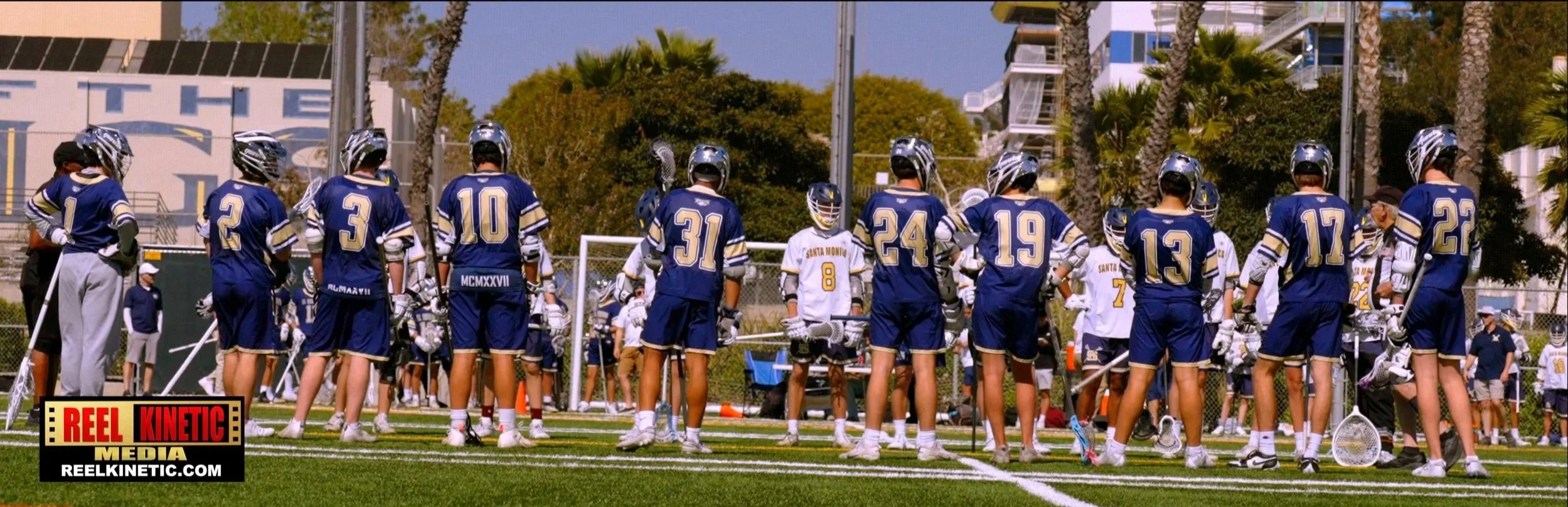
EL SEGUNDO LACROSSE
When a growing lacrosse program struggled for visibility, cinematic storytelling helped build community engagement, increase attendance, and give athletes a greater sense of pride in their accomplishments.
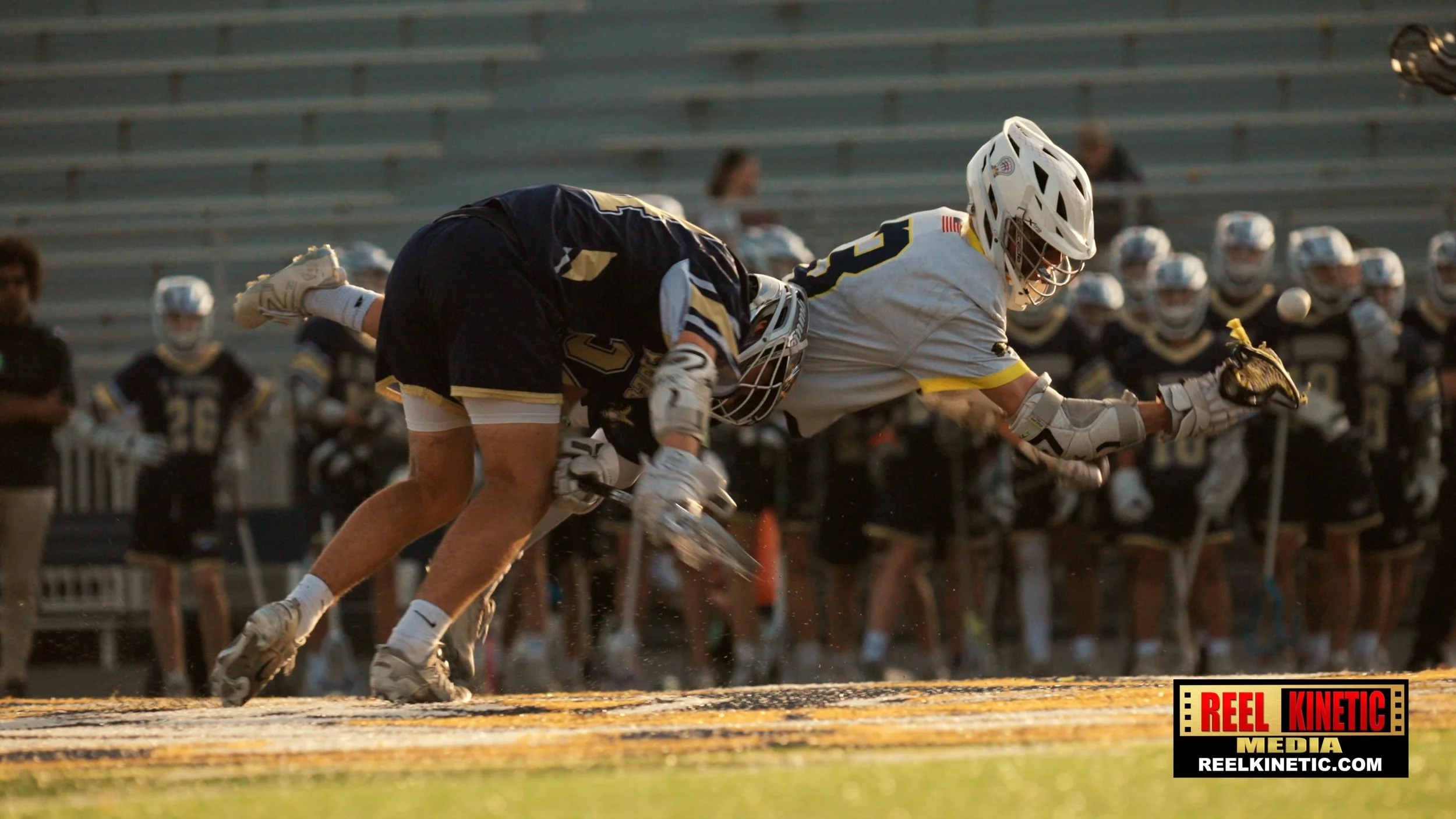
The Challenge
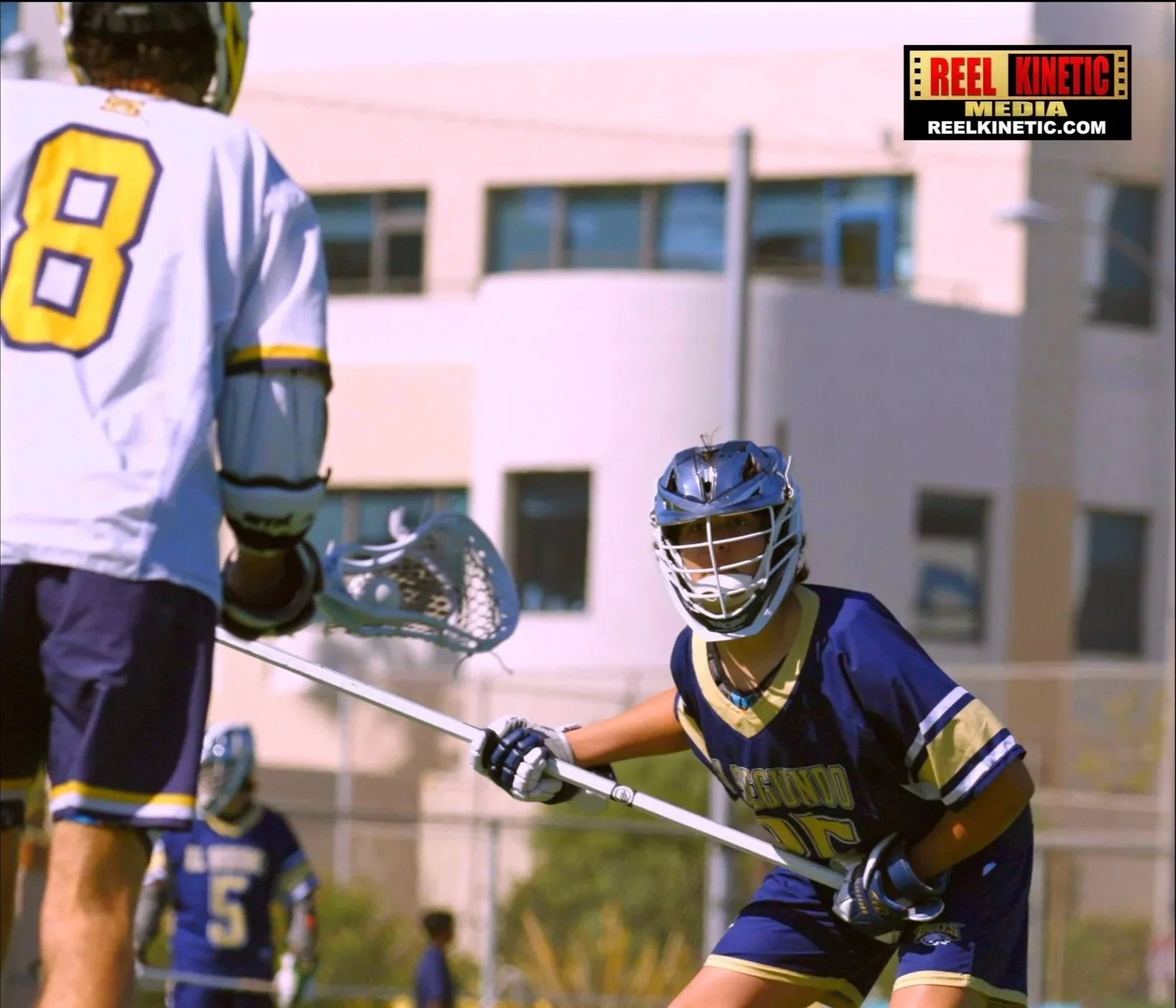
What the team lacked was recognition.
Despite the hard work of the athletes and coaches, the program often struggled to be taken seriously outside of its immediate circle. Games received limited attention, the athletes rarely received recognition for their achievements, and many people in the community simply weren’t aware of what the team was building
The challenge wasn’t simply creating videos.
It was helping people see the program differently.
The Approach
Reel Kinetic Films approached the season as more than a collection of games.
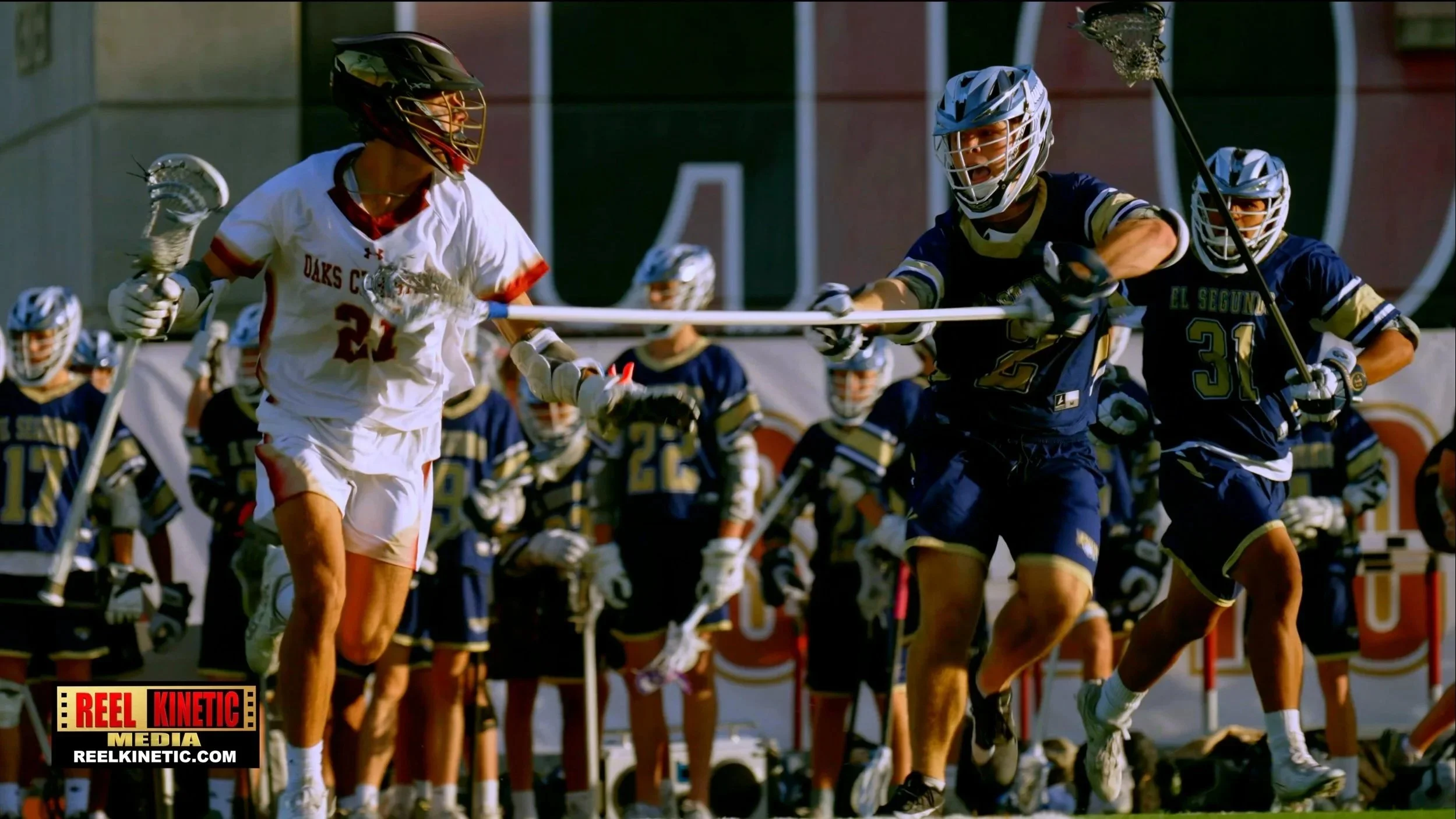
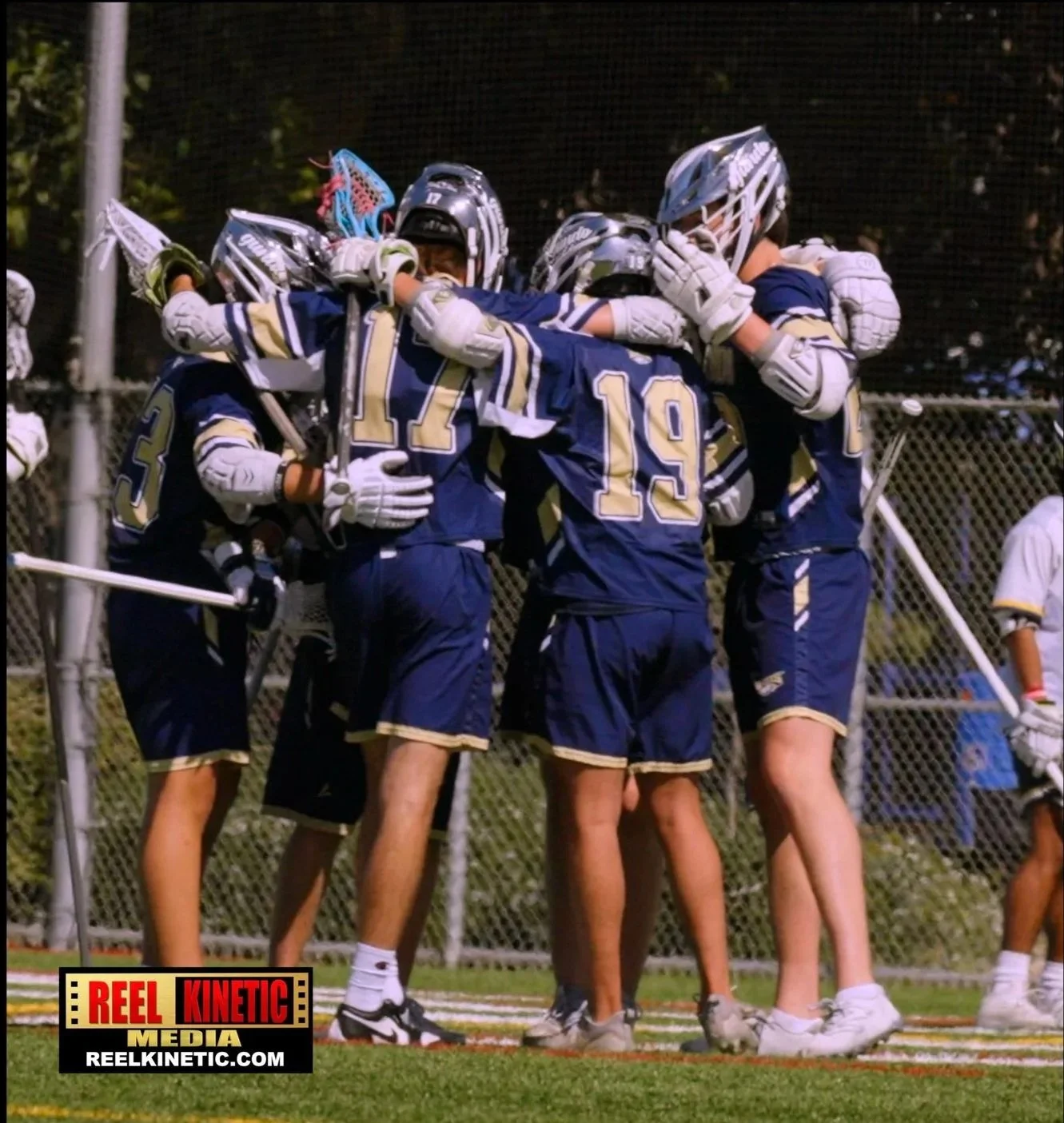
Rather than focusing exclusively on goals and highlights, the objective was to capture the emotion, intensity, preparation, and personalities that made the team unique.
Drawing inspiration from the storytelling traditions of sports documentaries and NFL Films, the athletes were presented with the same cinematic treatment often reserved for larger programs and professional sports.
The goal wasn’t simply to document what happened.
It was to communicate why it mattered.
To maintain momentum and audience engagement, game highlights were filmed, edited, and distributed within days of competition while excitement was still high. By handling production, post-production, and distribution through a single creative vision, Reel Kinetic Media was able to maintain consistency throughout the season while delivering content quickly enough to remain relevant and shareable.
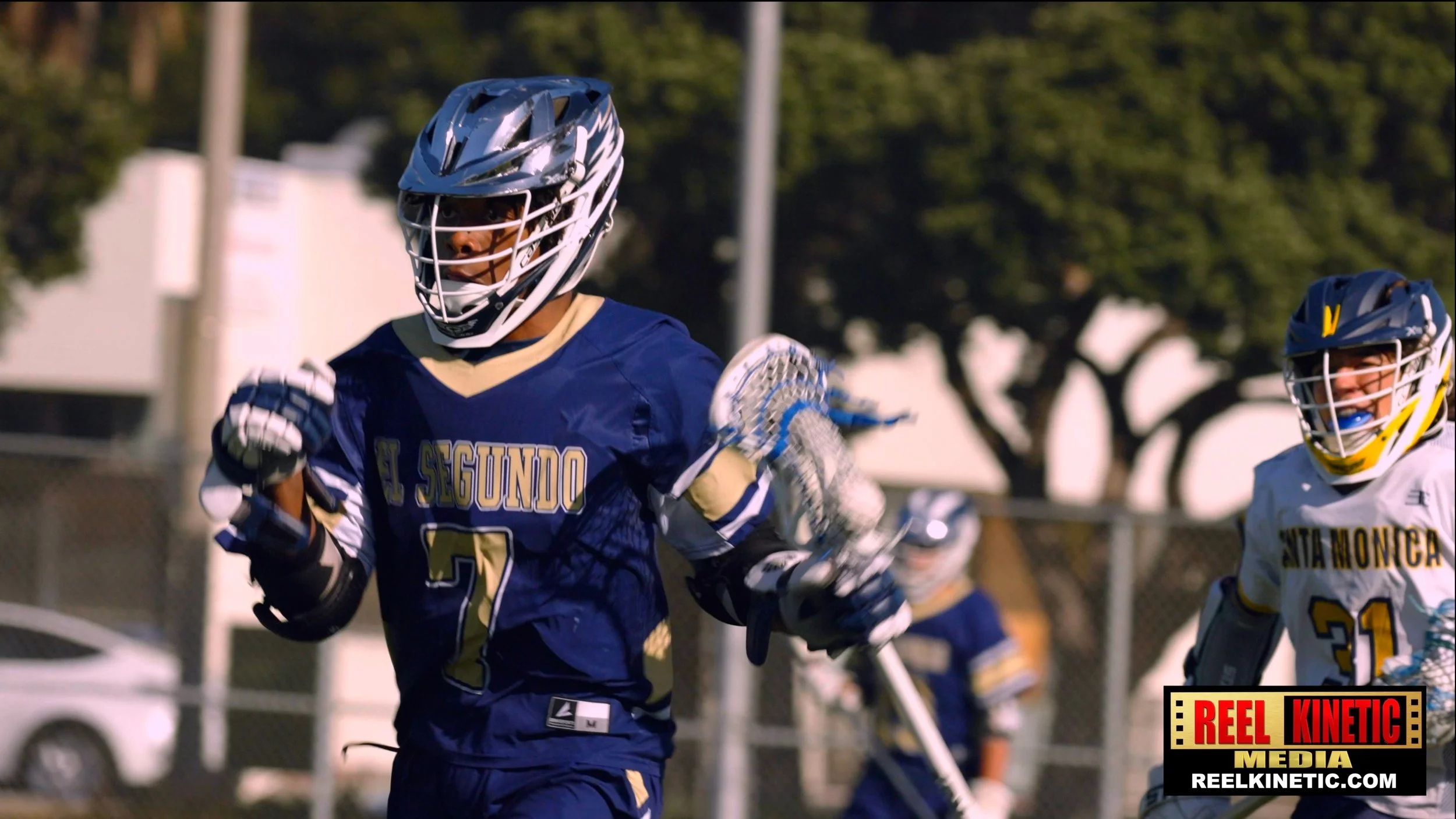
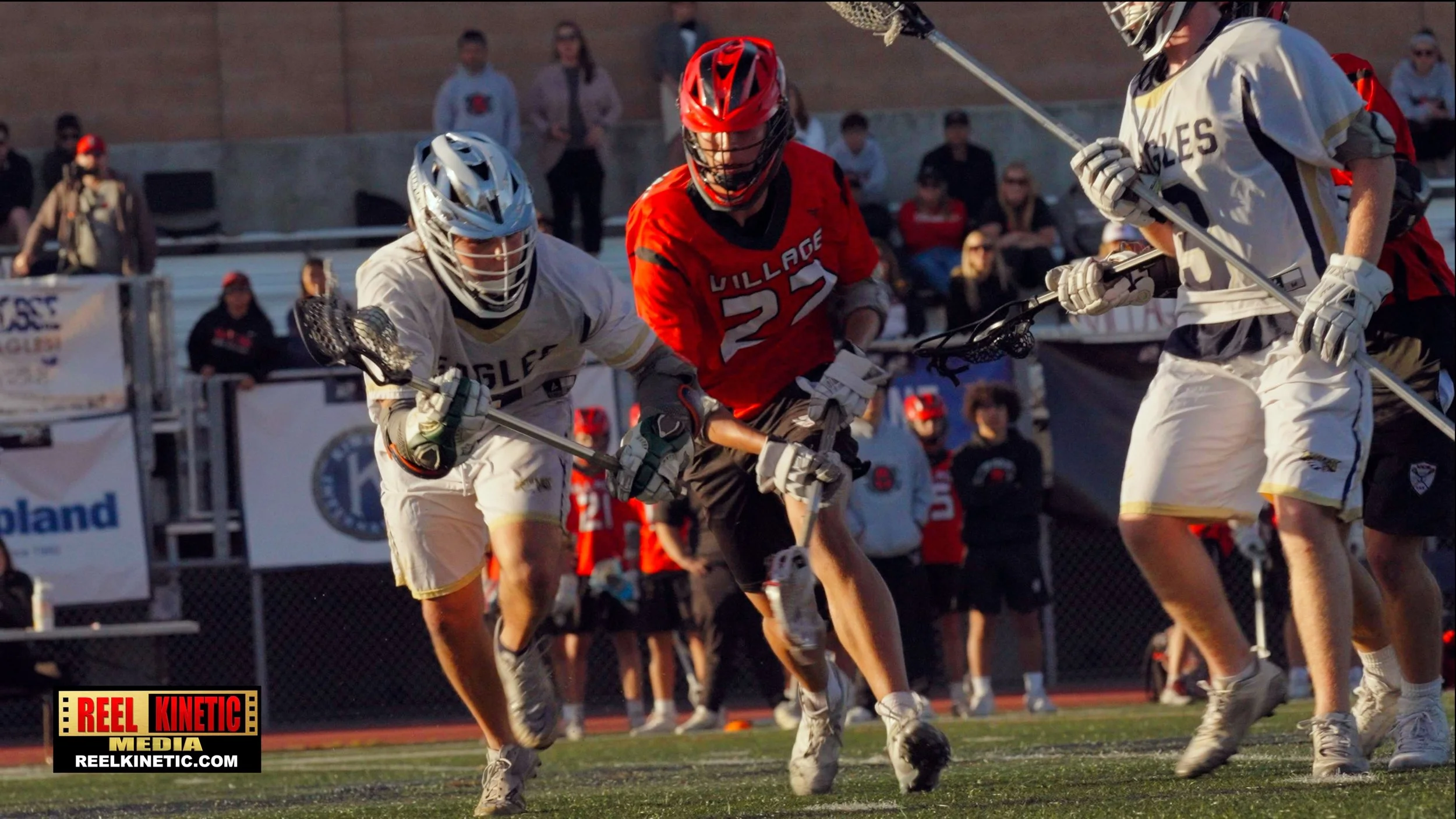
The Outcome
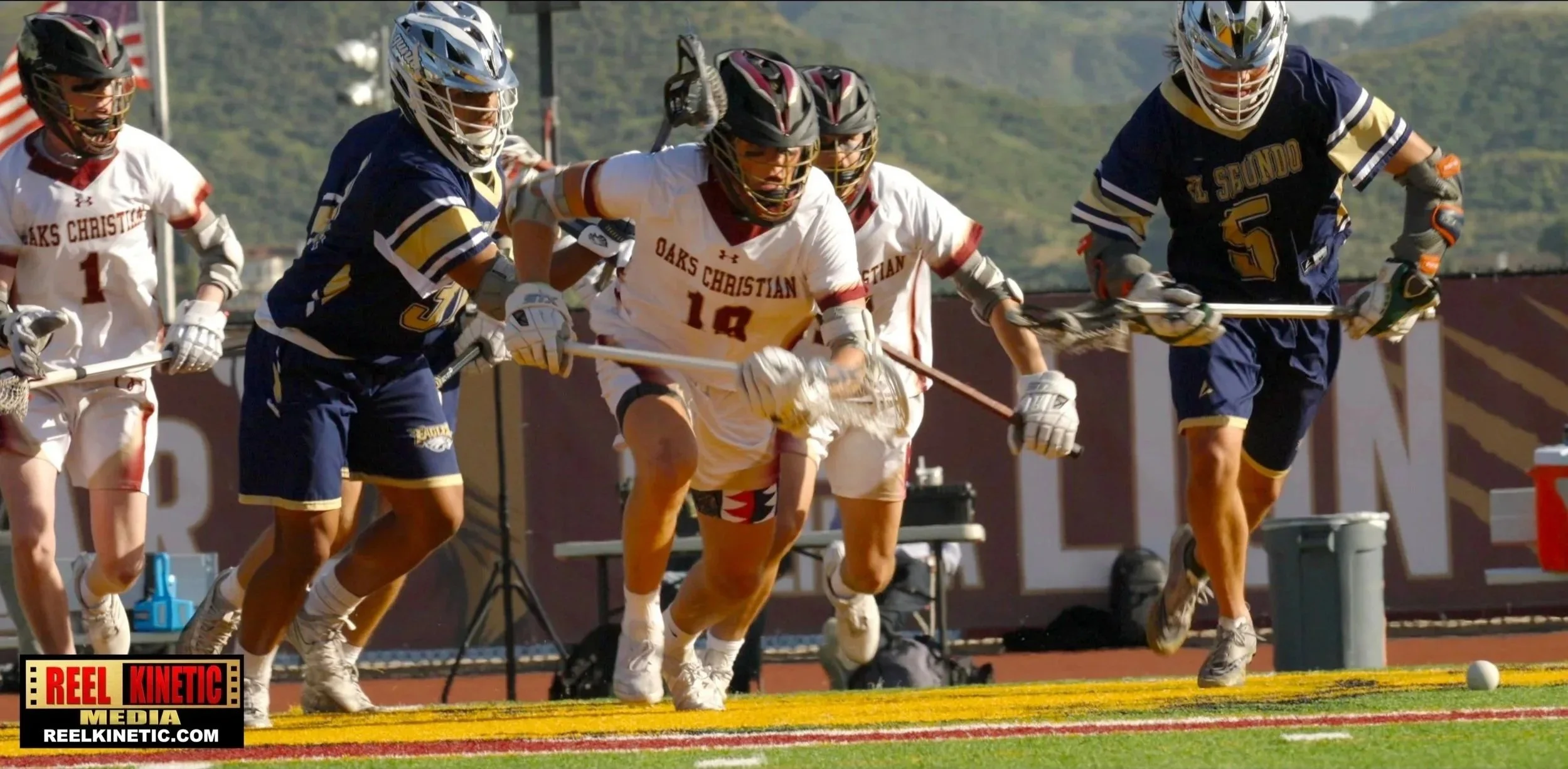
The impact extended beyond the videos themselves.
Players enthusiastically shared the content with friends and family, increasing awareness around the program and creating new interest throughout the season.
Parents became more engaged.
Community support grew.
Attendance increased as more people became invested in following the team’s story.
One parent even contacted Reel Kinetic Media before a game to ask whether filming would be taking place. Unable to attend because of work, he had come to rely on the videos as a way to stay connected to his son’s season and experience moments he otherwise would have missed.
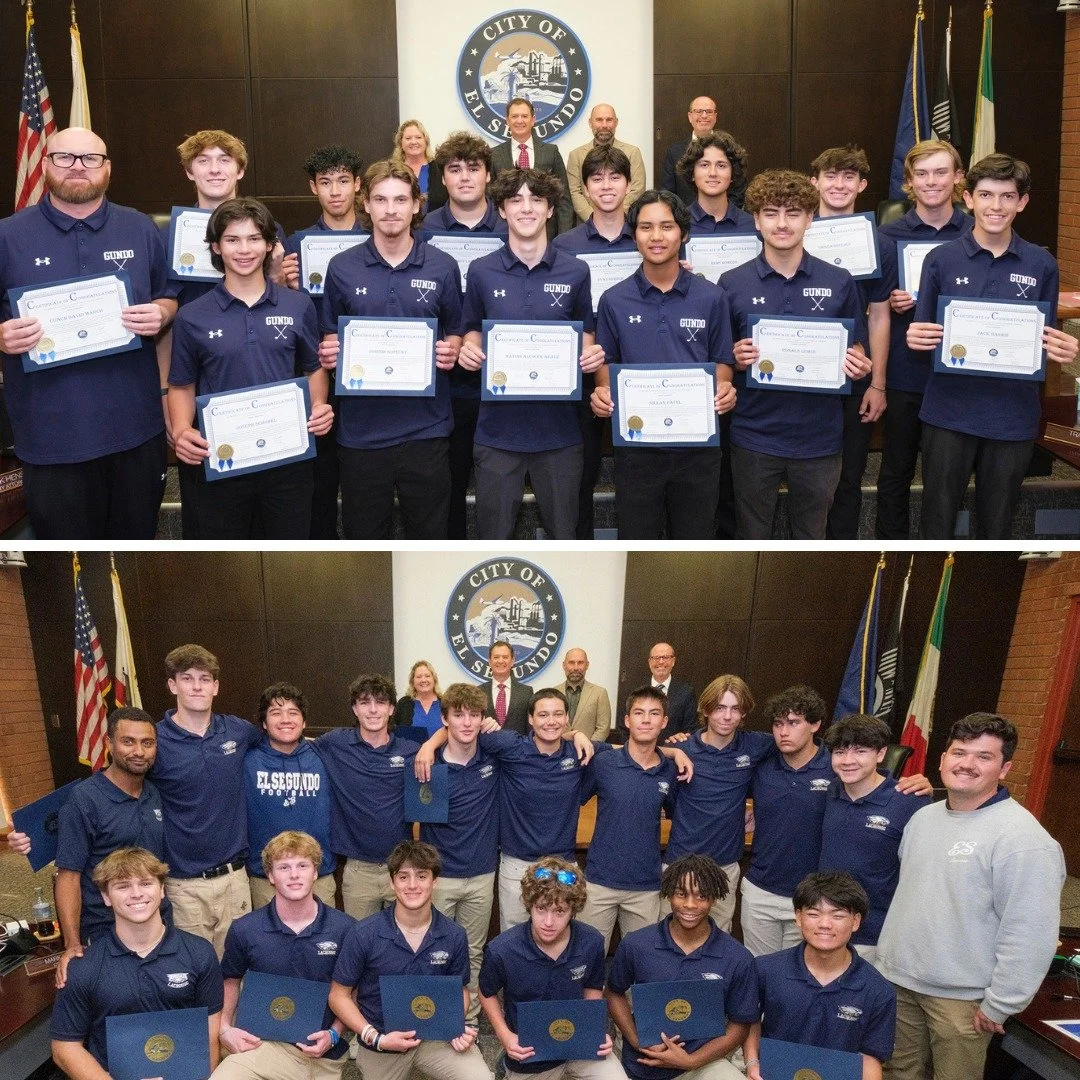
As the season progressed, excitement around the program continued to build. By the playoff run, larger crowds began appearing at games. Students and cheerleaders who had not been regular attendees earlier in the season began showing up to support the team, creating a level of visibility and energy the program had not previously experienced.
The content itself consistently generated engagement, with Instagram highlight posts typically receiving between 500 and 2,000 views while games and key moments were still fresh in the minds of players, families, and supporters.
Perhaps most importantly, the athletes saw themselves differently.
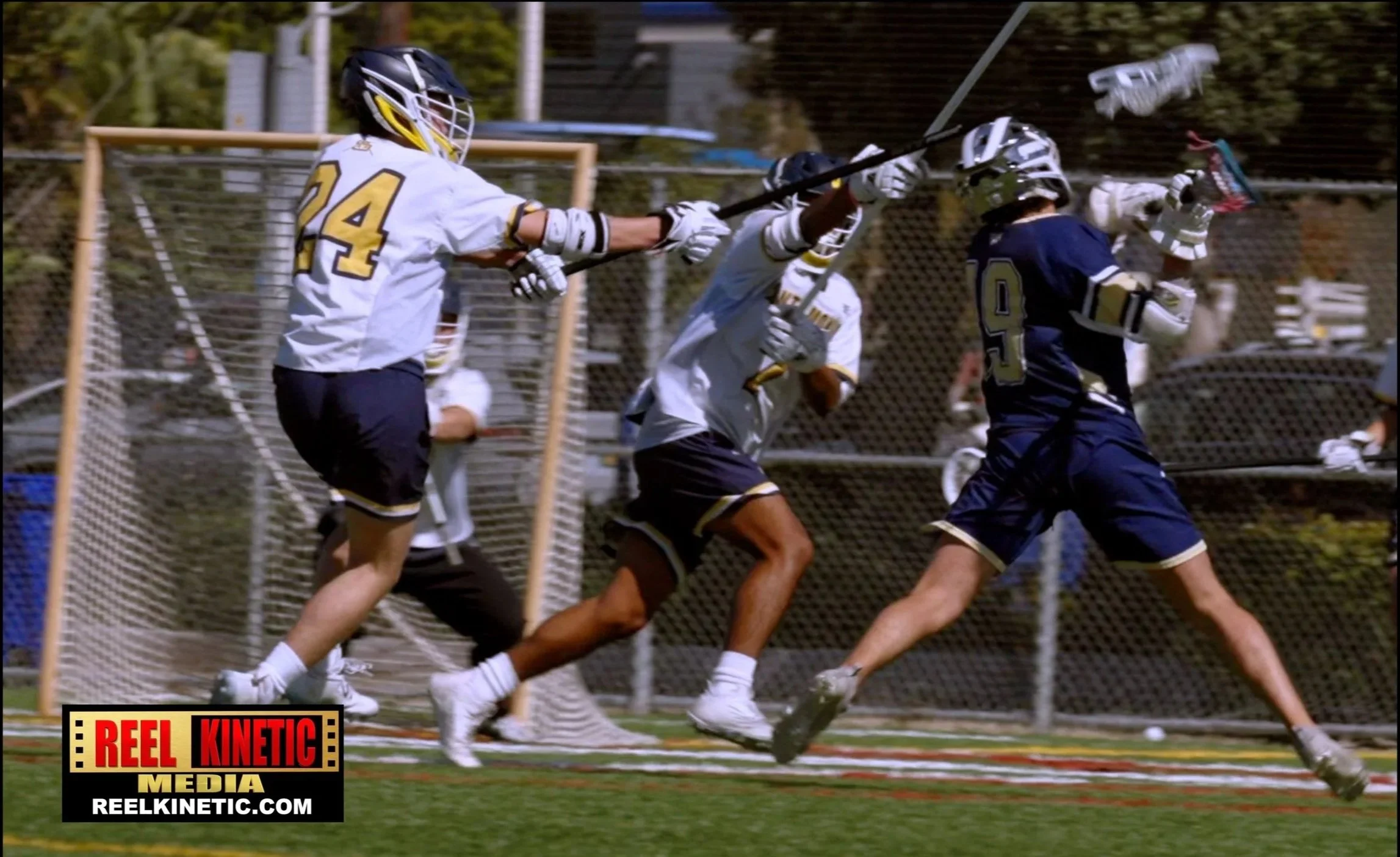
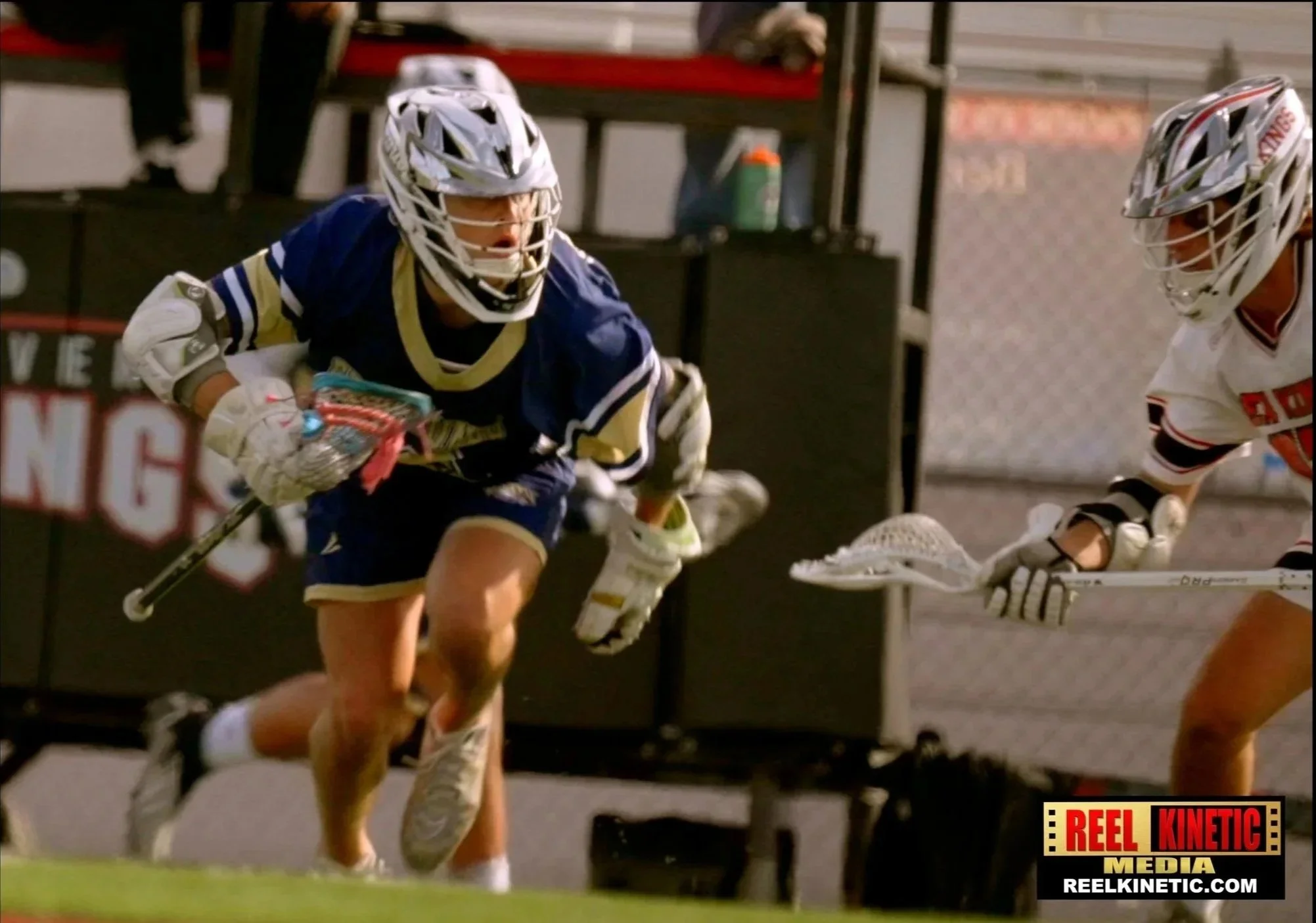
For many players, it was the first time they had seen themselves portrayed with the same cinematic style often associated with higher-profile sports and programs. The videos became a source of pride, confidence, and motivation throughout the season.
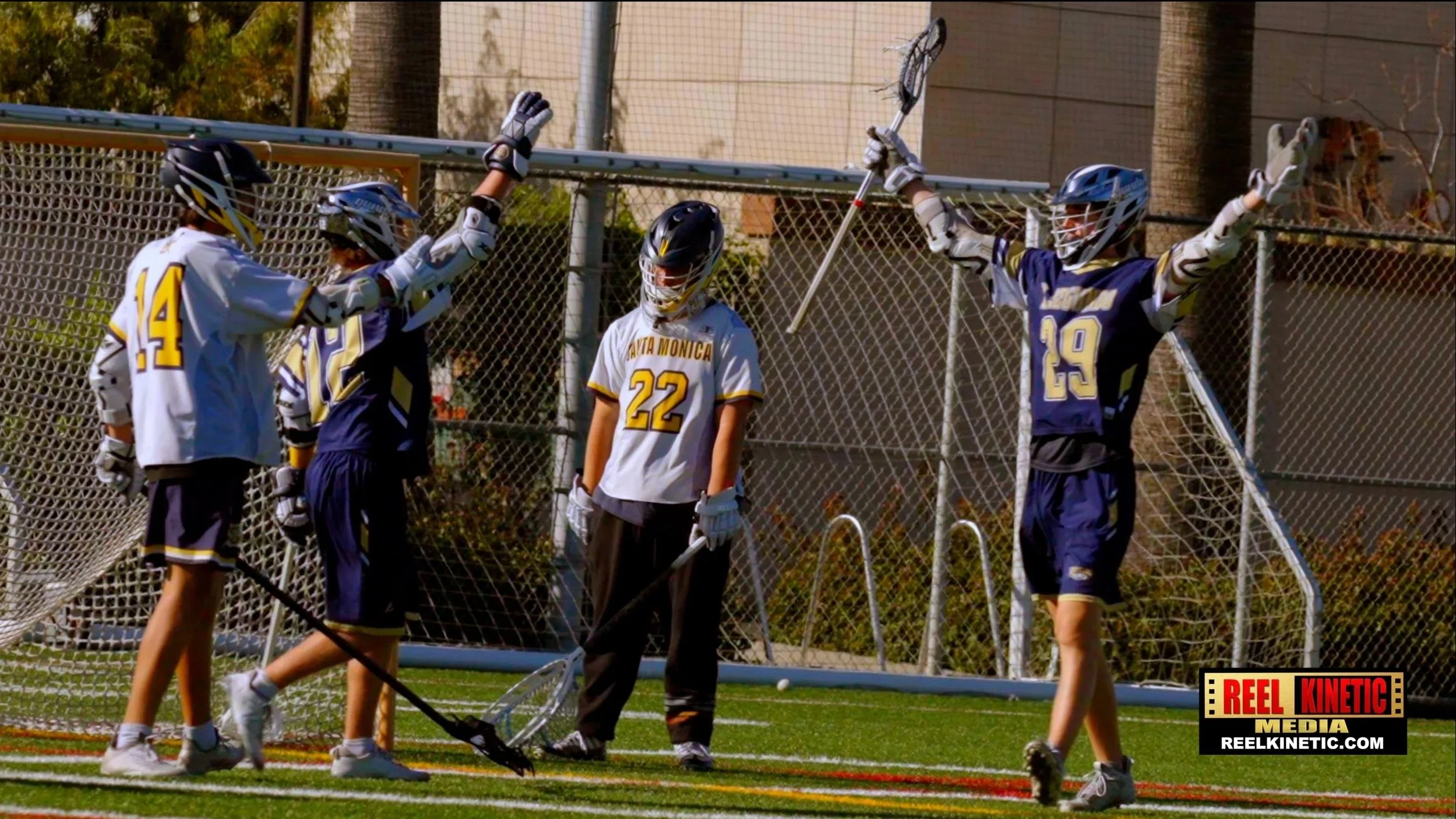
That same year, El Segundo Lacrosse achieved one of the most successful seasons in program history, earning its first playoff appearance and advancing to within moments of a championship game berth.
While those accomplishments belong entirely to the athletes and coaches who earned them, the storytelling helped build excitement around a program that was finally beginning to receive the attention and respect it deserved.
Why It Worked
Sports media can do more than document events.
When athletes feel seen, they become more invested.
When families feel connected, they become more engaged.
When communities are given a story to follow, they begin to care more deeply about the outcome.
The goal wasn’t simply to create highlight videos.
The goal was to strengthen the connection between the team, the families, and the community.
Key Takeaway
Sometimes the challenge isn’t talent.
Sometimes the challenge is visibility.
When people are given a reason to care, they begin to pay attention.
For El Segundo Lacrosse, cinematic storytelling helped transform a little-known program into a team that players, families, and the community wanted to follow.